Food Banks & Emergency Food Assistance 2026: Access for 1 in 8 Americans
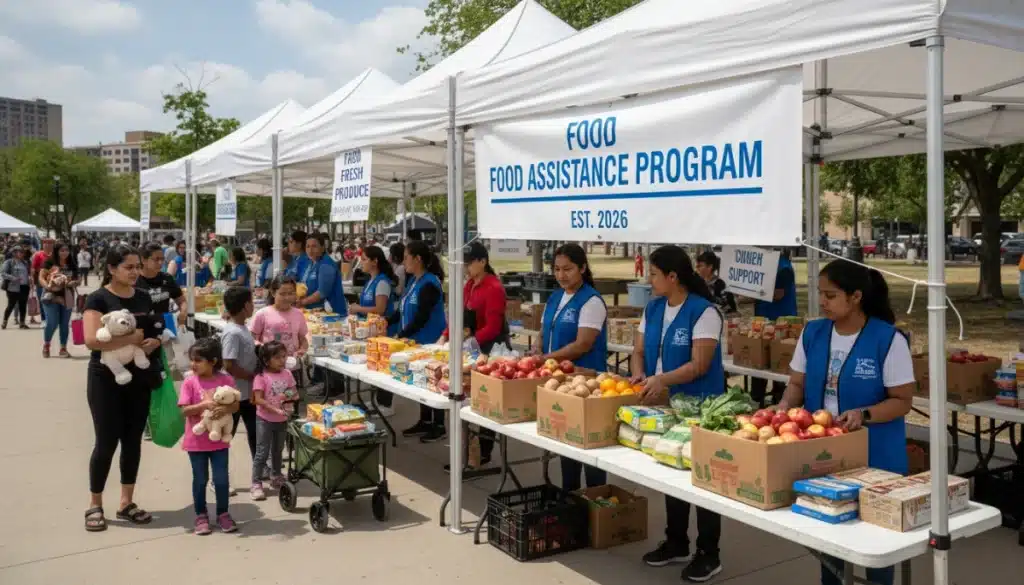
Latest developments on Food Banks and Emergency Food Assistance 2026: How 1 in 8 Americans Can Access Support, with key facts, verified sources and what readers need to monitor next in Estados Unidos, presented clearly in Inglês (Estados Unidos) (en-US).
Food Banks and Emergency Food Assistance 2026: How 1 in 8 Americans Can Access Support is shaping today’s agenda with new details released by officials and industry sources.
This update prioritizes what changed, why it matters and what to watch next, in a straightforward news format.
The Evolving Landscape of Food Insecurity in 2026
The year 2026 presents a critical juncture for food security in the United States, with projections indicating that approximately one in eight Americans will rely on external support for their nutritional needs.
This statistic underscores the persistent challenge of food insecurity, driven by a confluence of economic shifts, inflation, and ongoing societal factors.
Understanding the mechanisms and accessibility of Food Banks and Emergency Food Assistance 2026: How 1 in 8 Americans Can Access Support is paramount for both those in need and the broader community.
The infrastructure supporting these vital services is continuously adapting to meet fluctuating demand and evolving demographic profiles across the nation.
As we delve into the specifics of these programs, it becomes clear that collaboration between governmental agencies, non-profit organizations, and local communities forms the bedrock of an effective response.
The concerted effort ensures that critical resources reach vulnerable populations efficiently and equitably.
Understanding the Role of Food Banks in Modern Society
Food banks serve as essential pillars of community support, acting as central hubs for collecting, storing, and distributing food to individuals and families facing hunger.
Their operational models have become increasingly sophisticated, moving beyond simple distribution to include nutritional education and long-term stability programs.
In 2026, the reach of these organizations is expected to expand further, necessitating innovative strategies for sourcing, logistics, and volunteer engagement.
The effectiveness of Food Banks and Emergency Food Assistance 2026: How 1 in 8 Americans Can Access Support hinges on these interconnected components working seamlessly.
These institutions are not merely providers of sustenance; they are also advocates for policy changes aimed at addressing the root causes of hunger.
Their data and insights often inform legislative decisions that can have a profound impact on food security at both state and federal levels.
The Operational Framework of Food Banks
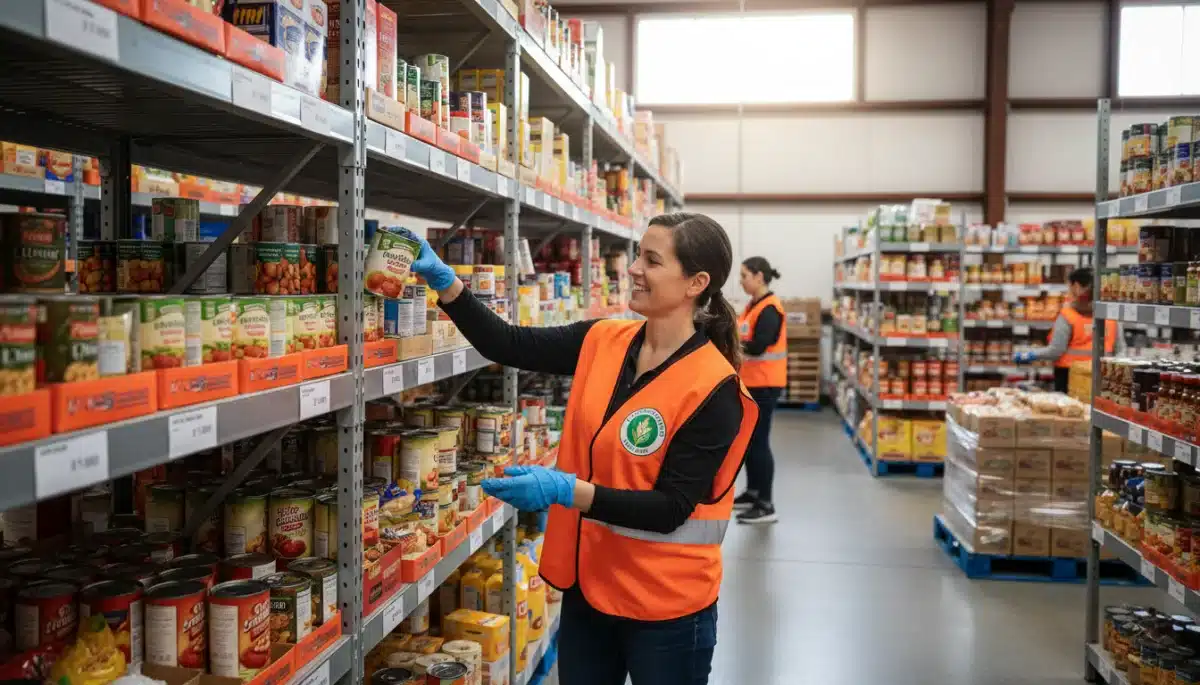
- Sourcing and Acquisitions: Food banks acquire food through donations from individuals, corporations, and farms, alongside purchases made possible by grants and public funding. Partnerships with grocery retailers are crucial for rescuing edible surplus food that would otherwise go to waste.
- Logistics and Distribution: A complex network of warehouses, transportation, and local pantries ensures food reaches communities efficiently. Technology plays an increasing role in optimizing routes and managing inventory to reduce waste and maximize impact.
- Community Partnerships: Collaboration with local charities, churches, and community centers extends the reach of food banks, creating accessible distribution points. These partnerships are vital for understanding and responding to specific local needs.
The operational intricacies of food banks highlight their critical role in the broader ecosystem of emergency food assistance. Their capacity to mobilize resources makes them indispensable in addressing immediate hunger.
Emergency Food Assistance Programs: A Lifeline for Many
Emergency food assistance encompasses a variety of programs designed to provide immediate relief to individuals and families experiencing food shortages.
These programs are distinct from ongoing nutritional support initiatives and often serve as a first line of defense against hunger.
Government-backed programs, such as the Supplemental Nutrition Assistance Program (SNAP), play a significant role, but localized emergency food pantries, soup kitchens, and mobile food distribution units are equally crucial.
The combined efforts aim to ensure no one goes without essential nourishment.
As we look towards 2026, the demand for these emergency services is projected to remain high, highlighting the need for robust funding and flexible program designs.
Understanding how to access Food Banks and Emergency Food Assistance means navigating these diverse offerings effectively.
Key Emergency Food Support Initiatives
- SNAP Benefits: Providing eligible low-income individuals and families with financial assistance to purchase groceries, SNAP remains a cornerstone of food security. Eligibility criteria are regularly reviewed to adapt to economic conditions.
- TEFAP (The Emergency Food Assistance Program): This federal program helps supplement the diets of low-income Americans by providing them with emergency food assistance at no cost. Food is distributed through state agencies to local food banks and other eligible organizations.
- Local Food Pantries and Soup Kitchens: These community-based organizations offer direct food distribution and prepared meals, often operating with volunteer staff and donations. They are typically the most accessible points for immediate food relief.
The diversity of emergency food assistance programs reflects a layered approach to combating hunger, addressing both immediate and short-term needs. Each program plays a vital role in the overall support structure.
Navigating Eligibility and Access in 2026
Accessing Food Banks and Emergency Food Assistance requires an understanding of diverse eligibility criteria and application processes. These criteria can vary significantly depending on the program, funding source, and regional guidelines.
Typically, eligibility is determined by income levels, household size, and residency status, with specific thresholds set to target those most in need.
Many programs also consider extenuating circumstances such as job loss, medical emergencies, or natural disasters.
Simplifying the application process and providing clear, multilingual information are key challenges for organizations aiming to maximize access.
Outreach efforts are essential to inform communities about available resources and reduce barriers to entry.
Common Eligibility Factors
- Income Thresholds: Most programs use federal poverty guidelines or a percentage thereof to determine income eligibility. These thresholds are updated annually and vary by state and program.
- Household Size: The number of individuals in a household directly impacts income limits and the amount of assistance received. Larger households generally qualify for higher benefit levels.
- Residency and Identification: Proof of residency and identification are often required to prevent fraud and ensure services are provided to local populations. Some programs offer flexibility for individuals experiencing homelessness.
Navigating these requirements can be complex, underscoring the importance of clear guidance and support from assistance providers. Transparency in eligibility criteria is crucial for equitable access.
The Impact of Economic Trends on Food Insecurity
Economic trends in 2026, including inflation, unemployment rates, and wage stagnation, directly influence the prevalence of food insecurity.
Rising food prices, in particular, erode the purchasing power of low-income households, making it harder to afford nutritious meals.
These economic pressures often push individuals and families who were previously self-sufficient into relying on Food Banks and Emergency Food Assistance.
The ripple effect extends across various demographics, impacting both urban and rural communities.
Policymakers and aid organizations are constantly analyzing these trends to anticipate demand and adapt their strategies. Proactive measures are necessary to mitigate the adverse effects of economic instability on food access.
Key Economic Indicators and Their Influence
- Inflationary Pressures: Persistent high inflation, especially in food and energy sectors, disproportionately affects low-income households, diminishing their ability to secure adequate food. This necessitates increased reliance on food assistance.
- Labor Market Dynamics: While unemployment rates may fluctuate, underemployment and stagnant wages for entry-level positions contribute to financial instability. Many working families still struggle to meet basic needs, including food.
- Housing Costs: Rising housing expenses often force families to make difficult choices between paying rent and buying food. This trade-off significantly increases the demand for emergency food aid.
The interplay of these economic factors creates a challenging environment for many American households, making the services provided by food banks and emergency assistance programs more critical than ever.
Innovations and Challenges in Food Assistance Delivery
The landscape of food assistance is continually evolving, with organizations implementing innovative approaches to improve efficiency, reach, and nutritional impact.
From mobile pantries to digital platforms for connecting people with resources, technology is playing a transformative role.
However, significant challenges persist, including funding shortfalls, volunteer recruitment, and the logistical complexities of serving diverse populations.
Addressing these issues is crucial for ensuring the sustainability and effectiveness of Food Banks and Emergency Food Assistance.
The need for culturally appropriate food options and specialized dietary support also presents an ongoing challenge. Organizations are working to tailor their offerings to better meet the specific needs of the communities they serve.
Technological Advancements in Food Aid
- Mobile Food Pantries: These units bring food directly to underserved communities, reducing transportation barriers for individuals without access to vehicles or public transit. They are particularly effective in rural areas.
- Online Resource Locators: Websites and apps help individuals quickly find nearby food banks, pantries, and meal programs based on their location and specific needs. This digital access streamlines the search for assistance.
- Data Analytics for Demand Forecasting: Organizations are increasingly using data to predict demand, optimize inventory, and allocate resources more effectively. This proactive approach helps prevent shortages and ensures timely delivery of aid.
While innovations offer promising solutions, overcoming systemic challenges requires sustained effort and collaboration across all sectors involved in food assistance.
Community Engagement and Volunteerism: The Backbone of Support
Community engagement and volunteer efforts form the indispensable backbone of Food Banks and Emergency Food Assistance.
Thousands of individuals dedicate their time and energy to sorting food, packing boxes, and distributing meals, often without compensation.
These volunteers are not just labor; they are the human connection that often provides comfort and dignity to those receiving help.
Their commitment highlights the strong sense of community responsibility inherent in hunger relief efforts nationwide.
Sustaining this volunteer base requires ongoing recruitment, training, and recognition programs.
Organizations are actively seeking ways to engage a broader demographic of volunteers, from students to retirees, to ensure consistent support.
The Vital Role of Volunteers
- Direct Service Provision: Volunteers are on the front lines, interacting directly with recipients, distributing food, and assisting with application processes. Their compassion and dedication are invaluable.
- Logistical Support: From driving delivery trucks to organizing warehouse inventory, volunteers handle critical logistical tasks that keep food assistance operations running smoothly.
- Advocacy and Fundraising: Many volunteers also participate in advocacy efforts, raising awareness about food insecurity and helping to secure necessary funding and donations for their respective organizations.
The collective strength of community engagement and volunteerism is a testament to the shared commitment to ensuring that no one in America goes hungry.
Policy and Advocacy: Shaping Future Food Security
Policy and advocacy efforts are crucial for addressing the systemic causes of food insecurity and ensuring long-term solutions.
Organizations working in Food Banks and Emergency Food Assistance often engage with lawmakers to influence legislation that supports anti-hunger initiatives.
These efforts include advocating for stronger safety nets, adequate funding for nutrition programs, and policies that promote equitable access to healthy food.
The goal is to move beyond emergency relief towards sustainable food security for all Americans.
Understanding the political landscape and effectively communicating the urgent need for action are key components of successful advocacy.
This involves presenting compelling data, sharing personal stories, and building broad coalitions of support.
Key Advocacy Areas in 2026
- SNAP Modernization and Expansion: Advocates push for updates to SNAP eligibility and benefit levels to reflect the true cost of living and ensure coverage for more vulnerable populations.
- Farm Bill Reauthorization: The Farm Bill, renewed every five years, significantly impacts agricultural policy and nutrition programs. Advocacy focuses on strengthening provisions that support food assistance and reduce food waste.
- Child Nutrition Programs: Efforts are concentrated on expanding access to school meal programs, summer feeding initiatives, and other programs that ensure children receive consistent nutrition throughout the year.
Through persistent advocacy, organizations aim to create a policy environment that effectively tackles food insecurity and reduces the need for emergency assistance in the long run.

Regional Disparities and Targeted Interventions
Food insecurity is not evenly distributed across the United States; significant regional disparities exist, influenced by factors such as local economies, demographic compositions, and access to resources.
Urban, suburban, and rural areas each present unique challenges for Food Banks and Emergency Food Assistance 2026.
Targeted interventions are therefore essential, requiring a nuanced understanding of specific community needs and available infrastructure.
What works in a sprawling metropolitan area may not be effective in a remote rural locale, necessitating adaptable strategies.
Organizations are increasingly focusing on hyper-local approaches, engaging community leaders and residents to co-create solutions. This ensures that assistance programs are relevant, culturally sensitive, and truly impactful on the ground.
Addressing Diverse Needs Across Regions
- Urban Centers: Challenges often include high cost of living, limited access to affordable transportation for food pickup, and high population density requiring large-scale distribution. Mobile pantries and centralized hubs are common solutions.
- Rural Areas: Characterized by vast distances, fewer food retailers, and limited public transportation, rural food assistance often relies on volunteer networks, school-based programs, and partnerships with local farms.
- Suburban Communities: While often perceived as affluent, many suburban areas face hidden hunger, with families struggling amidst high housing costs and limited public awareness of local resources. Discreet and accessible distribution points are vital.
Recognizing and addressing these regional nuances is fundamental to building an equitable and effective food assistance network nationwide. Tailored solutions ensure that support reaches every corner of the country.
| Key Point | Brief Description |
|---|---|
| Access Statistics 2026 | Approximately 1 in 8 Americans are projected to need food assistance. |
| Role of Food Banks | Central hubs for food collection, storage, and distribution, increasingly focused on holistic support. |
| Eligibility & Navigation | Criteria vary by program, typically based on income, household size, and residency. Streamlined access is a priority. |
| Future Outlook | Continued demand, innovation in delivery, and sustained advocacy are crucial for food security. |
Frequently Asked Questions About Food Assistance in 2026
Current projections indicate that roughly 1 in 8 Americans will require support from Food Banks and Emergency Food Assistance 2026: How 1 in 8 Americans Can Access Support. This highlights the ongoing and significant need for these vital services across the nation, driven by various economic and social factors.
Many national organizations, like Feeding America, offer online locators to help you find nearby food banks and pantries. Local government websites and community service directories also provide up-to-date information on Food Banks and Emergency Food Assistance 2026: How 1 in 8 Americans Can Access Support in your specific area, often with contact details and operating hours.
Eligibility for Food Banks and Emergency Food Assistance 2026: How 1 in 8 Americans Can Access Support typically depends on household income relative to federal poverty guidelines, household size, and residency. Some programs may also consider specific hardship circumstances. It’s best to check with individual programs or local agencies for precise criteria.
Yes, numerous programs focus on child nutrition, including school meal programs (free and reduced-price lunches), summer feeding programs, and after-school meal initiatives. These are critical components of Food Banks and Emergency Food Assistance 2026: How 1 in 8 Americans Can Access Support, aiming to ensure consistent access to nutritious food for children.
You can contribute to Food Banks and Emergency Food Assistance 2026: How 1 in 8 Americans Can Access Support by donating food, volunteering your time at local food banks or pantries, or making financial contributions. Many organizations also welcome advocacy for policies that support food security and hunger relief initiatives at various governmental levels.
Perspectives on Sustaining Food Security
The persistent challenge of food insecurity, projected to affect 1 in 8 Americans in 2026, necessitates a multifaceted and sustained approach.
While emergency assistance remains critical, long-term solutions require addressing the underlying economic and social determinants of hunger.
Policies that promote living wages, affordable housing, and accessible healthcare are integral to reducing reliance on emergency food systems.
Continued innovation in food assistance delivery, coupled with robust community engagement, will be vital in adapting to evolving needs and reaching vulnerable populations effectively.
The dedication of volunteers and strategic partnerships underscore the collective commitment to ensuring food security.
Monitoring economic indicators and advocating for supportive legislation will be key to shaping a more food-secure future for all.
For those in immediate need of assistance or looking for official resources in California, the CDSS Emergency Food Assistance portal provides essential information on local programs and eligibility.