ARPA Benefits 2026: Remaining Funds & 20 Million Families Impact
Advertisements
In 2026, the distribution of federal pandemic-era recovery funds has entered its final phase. Under the strict rules of the American Rescue Plan Act (ARPA), this year marks the absolute final window for expending obligated funds.
Local governments are under immense pressure to finalize active infrastructure, housing, and public health projects.
Any allocated dollars left unspent by December 31, 2026, will be permanently returned to the U.S. Treasury, making this a period of intense financial auditing and rapid project execution.
Understanding the Remaining ARPA Funds Landscape
The American Rescue Plan Act, signed into law in March 2021, allocated approximately $1.9 trillion to address the economic and health impacts of the COVID-19 pandemic.
While many direct payments and immediate relief programs have concluded, a significant portion of these funds was designated for longer-term initiatives and state/local government aid, extending their influence well into 2026.
These remaining funds are now being strategically deployed across various sectors, including education, healthcare, infrastructure, and direct community support.
The focus has shifted from immediate crisis response to sustainable recovery and bolstering resilience against future economic shocks, directly influencing the scope of ARPA Benefits 2026 Funds.
The continued disbursement and utilization of these funds are critical for millions of families who still rely on the stability and opportunities they provide.
Monitoring their allocation and impact is paramount to assessing the overall success and lasting legacy of the ARPA initiative.
Allocation and Disbursement Mechanisms
The allocation of ARPA funds is complex, involving various federal agencies, state governments, and local municipalities.
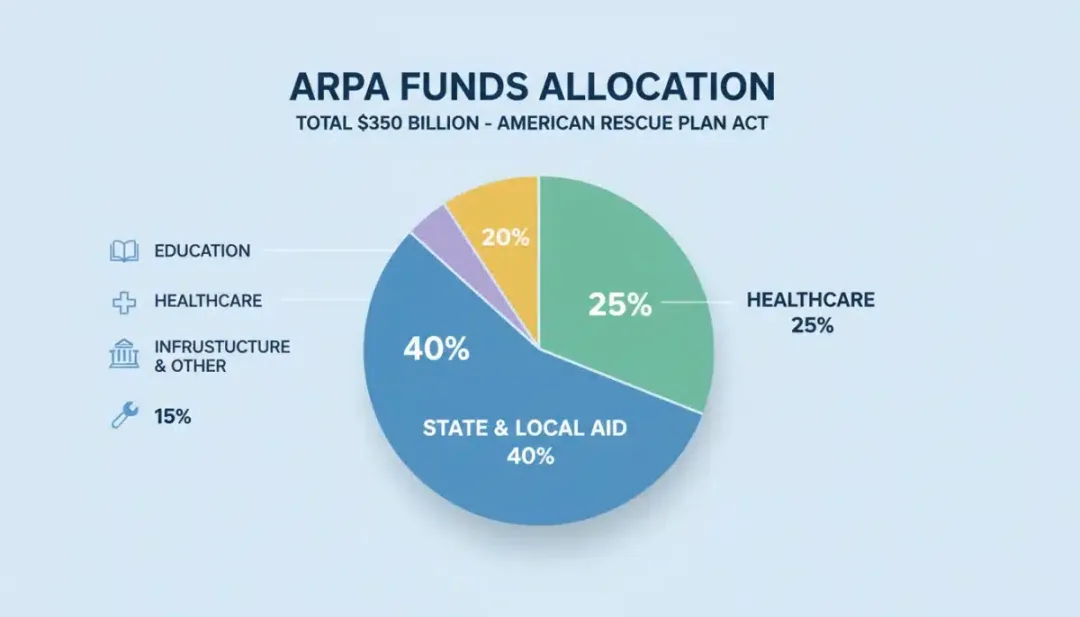
Funds were channeled through programs like the State and Local Fiscal Recovery Fund (SLFRF), which provided $350 billion to state, local, territorial, and Tribal governments to support their response to the pandemic and its economic effects.
These governments have considerable flexibility in how they spend these funds, provided they adhere to federal guidelines and reporting requirements.
The deadline for obligating SLFRF funds is December 31, 2024, with expenditures to be completed by December 31, 2026, directly impacting the availability of ARPA Benefits 2026 Funds.
- State and Local Fiscal Recovery Fund (SLFRF) remains a primary conduit for community-level investments.
- Specific federal programs continue to disburse funds for educational recovery, broadband expansion, and healthcare enhancements.
- Grant programs for small businesses and non-profits are still active, targeting economic revitalization in underserved areas.
Beyond SLFRF, other ARPA components, such as those for emergency rental assistance, childcare stabilization, and public health infrastructure, also have extended timelines.
These programs aim to address persistent societal needs exacerbated by the pandemic, ensuring a sustained impact on vulnerable populations.
Impact on 20 Million American Families
The reach of ARPA funds extends deeply into the lives of millions of American families, addressing a broad spectrum of needs from financial stability to improved community services.
While direct stimulus checks are a thing of the past, the indirect benefits through state and local investments continue to provide crucial support.
These investments translate into tangible improvements in daily life, such as enhanced educational resources, affordable housing initiatives, and expanded access to healthcare.
The collective impact of these programs helps stabilize households and foster economic growth, making the ARPA Benefits 2026 Funds instrumental.
For an estimated 20 million families, these ongoing benefits represent a lifeline, mitigating financial hardship and providing opportunities for advancement.
The sustained effort to disburse and manage these funds reflects a commitment to long-term recovery and equitable development across the nation.
Key Areas of Family Support
Educational initiatives funded by ARPA aim to address learning loss and provide additional resources for students, from K-12 to higher education.
This includes funding for tutoring, mental health services, and technological upgrades, directly benefiting families with school-aged children.
Affordable housing and rental assistance programs continue to prevent evictions and homelessness, providing critical stability for low-income families.
Many states and localities have used ARPA funds to create or expand programs that offer housing vouchers, emergency rental assistance, and support for homeownership.
- Childcare stabilization grants help keep childcare centers open and affordable, enabling parents to return to work.
- Investments in public health infrastructure improve access to healthcare services, including mental health support and vaccination efforts.
- Broadband expansion projects connect underserved communities, bridging the digital divide for remote work and education.
These varied interventions collectively contribute to the well-being and economic security of millions.
The strategic deployment of ARPA Benefits 2026 Funds underscores a holistic approach to family support, recognizing the interconnectedness of various social and economic factors.
Challenges and Successes in Fund Implementation
Implementing a program of ARPA’s scale inevitably comes with both significant challenges and notable successes.
States and localities have grappled with the complexities of federal guidelines, reporting requirements, and the sheer volume of funds to manage effectively. Ensuring equitable distribution and preventing fraud remain top priorities.
Despite these hurdles, many communities have successfully leveraged ARPA funds to undertake transformative projects and provide essential services.
These successes highlight the adaptability and innovation of local governments in addressing specific community needs, showcasing the effectiveness of ARPA Benefits 2026 Funds.
The lessons learned from both the difficulties and achievements are crucial for future federal initiatives.
Continuous evaluation and transparent reporting are vital for demonstrating accountability and maximizing the positive impact of these investments on 20 million families.
Overcoming Implementation Hurdles
One primary challenge has been the administrative burden associated with managing and reporting on ARPA funds.
Smaller municipalities, in particular, often lack the staff and resources to navigate complex federal regulations, leading to delays in fund deployment.
To address this, the Treasury Department has provided technical assistance and streamlined guidance, but the learning curve remains steep for many.
Ensuring that funds reach the most vulnerable populations also requires targeted outreach and innovative program design.
- Bureaucratic challenges include complex reporting and compliance requirements for recipients.
- Ensuring equitable distribution across diverse communities requires proactive engagement and needs assessment.
- The risk of fraud and misuse of funds necessitates robust oversight and auditing mechanisms.
Despite these challenges, numerous success stories have emerged, with communities using ARPA funds to build new schools, expand public health clinics, and invest in critical infrastructure.
These tangible outcomes demonstrate the potential of ARPA Benefits 2026 Funds to drive meaningful change.
Monitoring and Accountability for ARPA Funds
Effective oversight and accountability are paramount to ensuring that the remaining ARPA Benefits 2026 Funds are used as intended and deliver maximum impact.
Various federal agencies, including the Treasury Department and the Government Accountability Office (GAO), are actively monitoring the expenditure of these funds.
States and localities are required to submit regular reports detailing their use of ARPA resources, which are then made publicly available.
This transparency allows for public scrutiny and helps identify areas where funds might be underutilized or misdirected.
For the 20 million families directly and indirectly benefiting, this oversight provides assurance that their tax dollars are being responsibly managed
. Continuous vigilance helps prevent waste, fraud, and abuse, ensuring the long-term integrity of the American Rescue Plan Act.
Federal and Local Oversight
The Treasury Department’s reporting portal serves as a central hub for data on how SLFRF funds are being spent.
This data is critical for policymakers to assess the effectiveness of the programs and make informed decisions about future economic recovery efforts.
Additionally, state and local auditors conduct their own reviews, providing an additional layer of accountability.
Community organizations and watchdog groups also play a crucial role in monitoring local spending and advocating for equitable distribution of ARPA Benefits 2026 Funds.
- Regular reporting requirements mandate detailed expenditure data from all recipients.
- Federal oversight bodies like the GAO conduct audits and investigations to ensure compliance.
- Public dashboards and online resources offer transparency into how funds are being allocated and spent.
This multi-layered approach to monitoring is designed to foster public trust and ensure that the substantial investment made through ARPA yields its intended results for the American people.
The ongoing scrutiny is vital as we approach the final expenditure deadlines.
Future Outlook: Beyond 2026 for ARPA Benefits
As the expenditure deadlines for ARPA Benefits 2026 Funds draw closer, attention is beginning to shift towards the long-term implications and potential for similar future initiatives.
While the direct allocation of these particular funds will conclude, the infrastructure and programs they have supported may continue in various forms.
Many communities are using ARPA funds to establish sustainable programs that can operate beyond the federal funding timeline through local revenue or other grants.
This forward-thinking approach aims to create lasting positive change rather than temporary fixes.
The experience gained from ARPA’s implementation will undoubtedly inform future policy decisions regarding federal aid and disaster response.
The focus remains on building resilient communities ready to face economic and social challenges, leveraging the lessons from ARPA Benefits 2026 Funds.
Sustaining Programs and Lessons Learned
One key strategy for extending the impact of ARPA funds is the creation of endowments or dedicated local funding streams.
Some localities have invested a portion of their ARPA allocation into initiatives that generate ongoing revenue, ensuring the continuity of vital services.
Furthermore, the data collected on program effectiveness will be invaluable for future policy development.
Understanding which types of interventions yielded the most significant benefits for families and communities can guide subsequent legislative efforts.
- Communities are exploring alternative funding mechanisms to sustain successful ARPA-initiated programs.
- The data and lessons from ARPA implementation will inform future federal and state aid policies.
- Emphasis is placed on building long-term resilience rather than just short-term recovery efforts.
The legacy of ARPA Benefits 2026 Funds will likely be measured not just by the immediate relief provided, but by the lasting improvements in public services, economic equity, and community well-being they helped to catalyze.
This forward vision is critical for translating temporary aid into enduring progress.
Economic Impact on Local Economies
The infusion of ARPA Benefits 2026 Funds into local economies has had a profound and multifaceted impact, stimulating growth and supporting recovery across various sectors.
From small businesses receiving grants to municipalities investing in critical infrastructure, the ripple effects are significant.
Local businesses have benefited from increased consumer spending, facilitated by direct aid to families and expanded social safety nets.
This economic injection has helped many enterprises stay afloat, retain employees, and even expand operations in post-pandemic environments.
Moreover, investments in public works projects, such as road repairs, broadband expansion, and water infrastructure upgrades, create jobs and enhance the long-term economic competitiveness of regions.
These improvements are crucial for sustained prosperity and the well-being of the 20 million families.
Sector-Specific Growth and Job Creation
The education sector has seen substantial boosts, with funds allocated to hiring more teachers, counselors, and support staff, as well as upgrading facilities.
This directly supports local job markets and improves educational outcomes for students.
Healthcare providers, particularly those serving underserved communities, have used ARPA funds to expand services, purchase new equipment, and increase staffing.
This strengthens local healthcare systems and provides better access to care for residents.
- Small business grants and loans have fueled entrepreneurship and job retention in local communities.
- Infrastructure projects contribute to local employment and long-term economic efficiency.
- Public safety initiatives, funded by ARPA, enhance community stability and attract investment.
The strategic deployment of ARPA Benefits 2026 Funds has thus served as a vital economic stimulant, helping local economies not only recover but also build a more robust foundation for future growth and opportunity for all residents.
Implications for Underserved Communities
A central tenet of the American Rescue Plan Act was to address long-standing inequities and provide targeted support to underserved communities, which often bore the brunt of the pandemic’s economic and health crises.
The remaining ARPA Benefits 2026 Funds continue to play a critical role in this mission.
These funds are being directed towards initiatives that specifically aim to close gaps in access to healthcare, education, and economic opportunities in historically marginalized areas.
This focused approach is designed to foster more equitable outcomes and build resilience where it is most needed.
For the 20 million families residing in these communities, the ongoing benefits translate into tangible improvements in living standards and future prospects.
The commitment to equitable distribution is a hallmark of ARPA’s lasting legacy, ensuring that no community is left behind in the recovery process.
Targeted Interventions and Equity Focus
Many ARPA-funded programs in underserved communities focus on improving public health infrastructure, including community health centers and mobile vaccination clinics.
This directly addresses health disparities highlighted by the pandemic.
Investments in affordable housing and rental assistance are particularly impactful in areas with high poverty rates, providing essential stability. Funds are also supporting workforce development programs tailored to the needs of local populations, creating pathways to better-paying jobs.
- Broadband expansion is prioritizing rural and low-income urban areas to enhance digital equity.
- Funding for community-based organizations empowers local leaders to address specific neighborhood challenges.
- Targeted educational support aims to mitigate learning gaps for students in under-resourced schools.
The deliberate focus on equity within the framework of ARPA Benefits 2026 Funds underscores a commitment to not just economic recovery, but also to building a more just and inclusive society for all American families.
| Key Aspect | Brief Description |
|---|---|
| Remaining Funds | Significant portion allocated for state/local use through 2026 deadline. |
| Family Impact | Supports 20 million families through education, housing, and healthcare. |
| Key Sectors | Education, public health, infrastructure, and community development. |
| Oversight | Federal and local agencies ensure transparent and accountable spending. |
Frequently Asked Questions About ARPA Benefits 2026
What exactly are the ARPA Benefits 2026 Funds?▼The ARPA Benefits 2026 Funds refer to the portion of the American Rescue Plan Act’s $1.9 trillion allocation that has extended expenditure deadlines through December 31, 2026. These funds are primarily distributed to state, local, territorial, and Tribal governments for various recovery and community development initiatives, impacting millions of families.
How are these remaining funds impacting families today?▼These funds are impacting families through continued investments in essential services. This includes improved educational resources, affordable housing programs, expanded access to healthcare, and childcare stabilization efforts. These initiatives indirectly provide financial relief and opportunities for an estimated 20 million American families.
What are the main categories for the remaining ARPA funds?▼The main categories for the remaining ARPA Benefits 2026 Funds include state and local fiscal recovery, emergency rental assistance, childcare stabilization, educational support, and public health infrastructure. These broad categories allow for diverse investments tailored to specific community needs across the nation.
Who is responsible for overseeing the use of these funds?▼The U.S. Treasury Department is the primary federal agency overseeing the State and Local Fiscal Recovery Fund. Additionally, the Government Accountability Office (GAO) conducts audits, and state and local governments have their own oversight mechanisms. This multi-layered approach ensures accountability for the ARPA Benefits 2026 Funds.
Will there be more direct payments to families from ARPA?▼No, the direct stimulus payments to individuals and families from the American Rescue Plan Act have concluded. The current focus of the remaining ARPA Benefits 2026 Funds is on longer-term recovery and investment in public services and infrastructure through state and local government programs, rather than new direct cash disbursements.
Looking Ahead: The Enduring Legacy of ARPA
The ongoing deployment of ARPA Benefits 2026 Funds signals a critical phase in America’s recovery and development post-pandemic.
The deliberate focus on strengthening community infrastructure and supporting vulnerable populations is setting a precedent for future federal aid programs, shaping how the nation responds to crises.
As the final expenditure deadlines approach, the evaluation of ARPA’s long-term effectiveness will provide invaluable insights for policymakers.
This period offers a unique opportunity to assess the lasting impacts on economic equity, public health, and educational outcomes for the 20 million families who have directly and indirectly benefited.
The lessons learned from managing and distributing these substantial funds will undoubtedly influence future legislative efforts aimed at building a more resilient and equitable society.
Monitoring the final reports and analyses will be crucial for understanding the full scope of ARPA’s enduring legacy on the American landscape.
To review standard financial practices and strategies used to manage this wind-down responsibly, you can refer to the GFOA American Rescue Plan Spending Guiding Principles.