DOE Unveils $4 Billion Grid Modernization Initiative for 2026
Advertisements
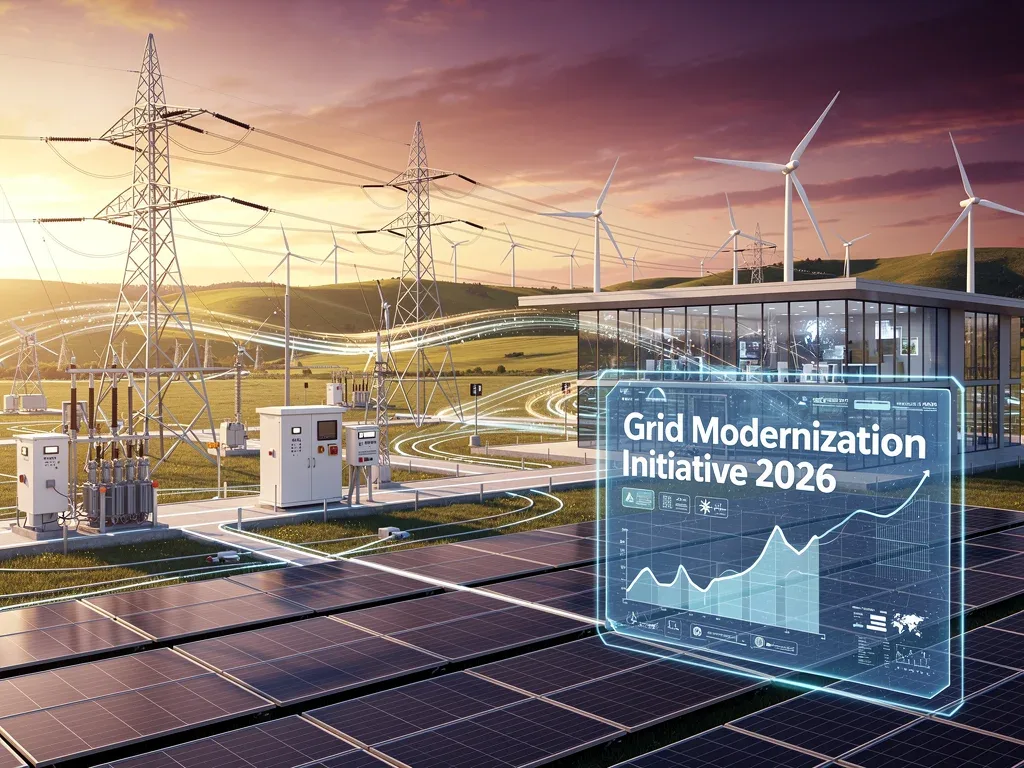
The Department of Energy recently unveiled a significant $4 billion Grid Modernization Initiative slated for 2026. This ambitious program aims to bolster the nation's energy infrastructure, enhance resilience, and integrate more renewable sources. The initiative marks a pivotal step toward a more reliable and sustainable power grid across the United States, addressing critical needs.
The Department of Energy Unveils New $4 Billion Grid Modernization Initiative for 2026, signaling a monumental investment in the nation's energy future. This sweeping plan aims to transform the antiquated power infrastructure into a resilient, efficient, and sustainable system capable of meeting growing demands and integrating advanced technologies.
This initiative addresses critical vulnerabilities and prepares the grid for the challenges of climate change and increasing electrification. Stakeholders across the energy sector are closely watching as details emerge, anticipating significant shifts in how power is generated, transmitted, and consumed.
The announcement from the Department of Energy underscores a national commitment to energy security and innovation. It sets a clear path for substantial upgrades across the United States, impacting utilities, technology providers, and consumers alike.
Understanding the $4 Billion Grid Modernization Initiative
The Department of Energy's $4 billion Grid Modernization Initiative for 2026 represents a comprehensive strategy to overhaul America's electrical infrastructure. This funding is earmarked for a variety of projects, from enhancing grid resilience against extreme weather to integrating advanced smart grid technologies.
The initiative seeks to create a more robust system that can better handle fluctuations from renewable energy sources like solar and wind. It also aims to improve energy efficiency and reduce the likelihood of widespread power outages, which have become a growing concern.
This investment is not just about upgrading existing infrastructure; it is about building a future-ready grid. The Department of Energy Unveils New $4 Billion Grid Modernization Initiative for 2026 as a foundational step towards achieving a cleaner, more reliable energy landscape for all Americans.
Key Objectives of the Initiative
The primary objectives of the Department of Energy's new initiative are multifaceted, focusing on resilience, reliability, and sustainability. These goals are central to ensuring the nation's energy supply remains stable and secure in the face of evolving challenges.
Specific targets include bolstering grid defenses against cyberattacks, improving energy storage capabilities, and facilitating the seamless integration of distributed energy resources. These advancements are crucial for a modern energy ecosystem.
- Enhancing grid resilience against physical and cyber threats.
- Improving the integration of renewable energy sources.
- Developing advanced energy storage solutions.
- Implementing smart grid technologies for greater efficiency.
Funding Allocation and Priority Areas
The $4 billion allocated for the Department of Energy Unveils New $4 Billion Grid Modernization Initiative for 2026 will be strategically distributed across various critical areas. Priority will be given to projects demonstrating significant impact on grid stability and innovation.
Funds are expected to support research and development, pilot programs for new technologies, and large-scale infrastructure upgrades in vulnerable regions. The Department of Energy is emphasizing projects that offer scalable solutions and foster public-private partnerships.
This targeted investment ensures that the funds address the most pressing needs while also fostering long-term technological advancements. The Department of Energy Unveils New $4 Billion Grid Modernization Initiative for 2026 with a clear vision for where these resources can make the biggest difference.
Impact on Energy Resilience and Reliability
A core focus of the Department of Energy's new initiative is to significantly enhance the resilience and reliability of the national power grid. Extreme weather events and aging infrastructure have increasingly exposed vulnerabilities, leading to costly and disruptive outages.
The investment aims to fortify the grid against such disruptions, employing advanced technologies and strategic upgrades. This includes hardening transmission lines, improving predictive analytics for maintenance, and deploying microgrids that can operate independently during outages.
The Department of Energy Unveils New $4 Billion Grid Modernization Initiative for 2026 with a clear mandate to create a grid that can withstand and rapidly recover from any challenge. This is crucial for economic stability and public safety.
Strengthening Against Extreme Weather
Climate change has amplified the frequency and intensity of extreme weather events, making grid resilience a top priority. The initiative will fund projects designed to protect critical infrastructure from hurricanes, wildfires, ice storms, and other natural disasters.
This involves burying power lines in vulnerable areas, using more durable materials, and implementing vegetation management programs. These measures are essential to prevent widespread damage and accelerate recovery times when incidents occur.
The Department of Energy Unveils New $4 Billion Grid Modernization Initiative for 2026 to ensure communities are not left in the dark for extended periods. Proactive measures are key to minimizing disruption and protecting lives.
Reducing Outage Frequency and Duration
Improving grid reliability means not only preventing outages but also reducing their duration when they do occur. The initiative will invest in smart grid technologies that can quickly detect and isolate faults, rerouting power to minimize affected areas.
Advanced sensors, automated substations, and self-healing grid capabilities are central to this effort. These technologies enable utilities to respond more efficiently and restore power faster, benefiting millions of consumers and businesses.
The Department of Energy Unveils New $4 Billion Grid Modernization Initiative for 2026 to deliver a more consistent and dependable power supply. This commitment to reliability is a cornerstone of the nation's energy policy.
Integrating Renewable Energy Sources
The Department of Energy's initiative is crucial for accelerating the integration of renewable energy sources into the national grid. As the country moves towards cleaner energy, the grid must evolve to accommodate the intermittent nature of solar and wind power.
This includes investments in advanced energy storage systems, such as large-scale batteries, which can store excess renewable energy and release it when needed. Such technologies are vital for maintaining grid stability with a higher penetration of renewables.
The Department of Energy Unveils New $4 Billion Grid Modernization Initiative for 2026 as a key enabler for achieving ambitious decarbonization goals. A modernized grid is essential for a sustainable energy future.

Challenges and Solutions for Renewables
Integrating renewables presents unique challenges, primarily due to their variable output depending on weather conditions. The current grid was not designed for this variability, leading to potential instability if not managed effectively.
Solutions funded by the initiative include advanced forecasting tools, flexible transmission systems, and demand-side management programs. These technologies help balance supply and demand, ensuring grid stability even with significant renewable contributions.
The Department of Energy Unveils New $4 Billion Grid Modernization Initiative for 2026 to overcome these hurdles, paving the way for a cleaner energy mix. Innovation in grid management is paramount for this transition.
The Role of Energy Storage
Energy storage is a cornerstone of successful renewable energy integration. By storing surplus energy generated during peak production times, storage systems can dispatch power when renewable output is low or demand is high, effectively firming up renewable resources.
The initiative will support the deployment of diverse storage technologies, including battery energy storage systems, pumped-hydro storage, and potentially new innovations. These systems provide critical flexibility and capacity to the grid.
The Department of Energy Unveils New $4 Billion Grid Modernization Initiative for 2026 with a strong emphasis on scaling up energy storage solutions. This will be a game-changer for grid reliability and renewable energy adoption.
Technological Innovations and Smart Grid Development
A significant portion of the Department of Energy's investment will drive technological innovation and the development of smart grid capabilities. These advancements are essential for creating a more responsive, efficient, and secure electrical system.
Smart grid technologies leverage digital communication, sensors, and advanced analytics to optimize energy flow, detect anomalies, and automate responses. This leads to better operational efficiency and reduced energy waste across the network.
The Department of Energy Unveils New $4 Billion Grid Modernization Initiative for 2026 as a catalyst for widespread adoption of these cutting-edge solutions. The future grid will be intelligent and highly interconnected.
Advanced Sensors and Analytics
The deployment of advanced sensors across the grid will provide real-time data on voltage, current, and frequency, enabling more precise monitoring and control. This data, combined with sophisticated analytics, can predict equipment failures and optimize maintenance schedules.
Such predictive capabilities help prevent outages before they occur and improve the overall performance of the grid. Data-driven decision-making is a hallmark of modern energy management.
The Department of Energy Unveils New $4 Billion Grid Modernization Initiative for 2026 to usher in an era of proactive grid management. This will transform how utilities operate and maintain their infrastructure.
Cybersecurity Enhancements for the Grid
As the grid becomes more interconnected and digital, cybersecurity threats become a paramount concern. The initiative will fund robust cybersecurity measures to protect critical infrastructure from malicious attacks that could disrupt power supplies.
This includes developing advanced threat detection systems, implementing secure communication protocols, and fostering a culture of cybersecurity awareness within the energy sector. Protecting the grid's digital assets is as important as protecting its physical ones.
The Department of Energy Unveils New $4 Billion Grid Modernization Initiative for 2026 with a strong commitment to safeguarding the nation's energy backbone. A secure grid is a reliable grid in the digital age.
Economic and Environmental Benefits
The Department of Energy's grid modernization initiative is poised to deliver substantial economic and environmental benefits across the United States. Beyond ensuring reliable power, the program is expected to stimulate economic growth and contribute to climate goals.
Economically, the investment will create jobs in manufacturing, construction, and technology sectors, while reducing energy costs for consumers through increased efficiency. Environmentally, it supports the transition to cleaner energy and reduces carbon emissions.
The Department of Energy Unveils New $4 Billion Grid Modernization Initiative for 2026 as a dual-purpose investment, driving both prosperity and sustainability. This comprehensive approach yields widespread positive impacts.

Job Creation and Economic Growth
The sheer scale of the grid modernization effort will necessitate a significant workforce, creating thousands of jobs directly and indirectly. These roles will span from skilled trades to advanced engineering and research positions.
Investments in new technologies and infrastructure upgrades will also spur innovation and create new market opportunities for businesses. This ripple effect will boost local economies and foster a competitive energy industry.
The Department of Energy Unveils New $4 Billion Grid Modernization Initiative for 2026 as a major economic stimulus package. It's an investment in both infrastructure and human capital.
Reduced Carbon Emissions and Energy Efficiency
By facilitating greater integration of renewable energy and improving overall grid efficiency, the initiative will play a critical role in reducing carbon emissions. A smarter grid can better manage energy demand, minimizing waste and optimizing resource use.
Enhanced energy efficiency means less energy is needed to power homes and businesses, leading to lower utility bills and a smaller carbon footprint. This aligns with national and global efforts to combat climate change.
The Department of Energy Unveils New $4 Billion Grid Modernization Initiative for 2026 as a vital component of the nation's climate action plan. It's a significant step towards a greener, more sustainable future.
Challenges and Future Outlook
While the Department of Energy's initiative holds immense promise, its implementation will not be without challenges. Navigating regulatory complexities, securing public acceptance, and managing the vast scale of upgrades will require careful planning and execution.
Coordination among federal, state, and local entities, as well as private utilities, will be crucial for success. Overcoming these hurdles will define the pace and effectiveness of the modernization efforts across the country.
The Department of Energy Unveils New $4 Billion Grid Modernization Initiative for 2026 with an understanding of the road ahead, but with a clear commitment to overcoming obstacles for a stronger national grid.
Implementation Hurdles and Regulatory Landscape
The modernization of the grid involves a complex web of regulations, permits, and stakeholder interests. Navigating these can often delay projects and increase costs, requiring streamlined processes and collaborative governance.
Achieving consensus among diverse stakeholders, including environmental groups, local communities, and utility companies, is essential. The Department of Energy will need to work closely with all parties to ensure smooth progress.
The Department of Energy Unveils New $4 Billion Grid Modernization Initiative for 2026, acknowledging these challenges and preparing for a collaborative approach to overcome them. Effective policy and public engagement are key.
Long-Term Vision for the U.S. Grid
The 2026 initiative is a significant step towards a long-term vision of a fully modernized, highly resilient, and sustainable U.S. electrical grid. This future grid will be capable of supporting a fully decarbonized energy system and adapting to future technological advancements.
It envisions a grid that is not only robust but also intelligent, responsive, and secure, serving as the backbone for the nation's energy independence and economic prosperity for decades to come.
The Department of Energy Unveils New $4 Billion Grid Modernization Initiative for 2026 as a foundational investment in this ambitious long-term vision. It represents a commitment to innovation and future energy security.
| Key Aspect | Brief Description |
|---|---|
| Funding | $4 billion investment for national grid modernization. |
| Objectives | Enhance resilience, integrate renewables, boost efficiency. |
| Technology | Focus on smart grid, energy storage, and cybersecurity. |
| Benefits | Job creation, lower emissions, improved reliability. |
Frequently Asked Questions About Grid Modernization
What is the main goal of the Department of Energy's new initiative?▼The primary goal is to modernize the U.S. electrical grid, enhancing its resilience against disruptions, improving reliability, and facilitating the integration of more renewable energy sources. This will ensure a stable and sustainable power supply for the nation.
How will this initiative impact consumers?▼Consumers can expect more reliable power, fewer outages, and potentially lower energy costs due to increased efficiency and better management of renewable energy. The modernized grid will also support new technologies like smart home devices and electric vehicles.
What role does renewable energy play in this plan?▼Renewable energy integration is a cornerstone of the initiative. The modernized grid will be better equipped to handle variable renewable generation through advanced storage solutions and smart management systems, accelerating the transition to a cleaner energy future.
When will the grid modernization efforts begin?▼The Department of Energy Unveils New $4 Billion Grid Modernization Initiative for 2026, indicating that significant funding and project rollouts are slated for that year. Planning and preliminary work are already underway to prepare for these major investments.
What are the cybersecurity implications of a modernized grid?▼As the grid becomes more digital, cybersecurity is a critical focus. The initiative includes significant investments in advanced cybersecurity measures to protect against cyberattacks, ensuring the integrity and continuous operation of the nation's power infrastructure.
Looking Ahead
The Department of Energy Unveils New $4 Billion Grid Modernization Initiative for 2026 marks a pivotal moment for the nation's energy future. This investment signals a determined effort to build a resilient, smart, and sustainable power grid capable of meeting 21st-century demands. Stakeholders should monitor forthcoming project announcements and funding opportunities, as these will shape the trajectory of energy infrastructure development across the United States. The success of this initiative will be crucial for economic stability, environmental progress, and national security in the coming decades.