Federal Reserve Cuts Benchmark Rate by 25 Basis Points: What it Means
Advertisements
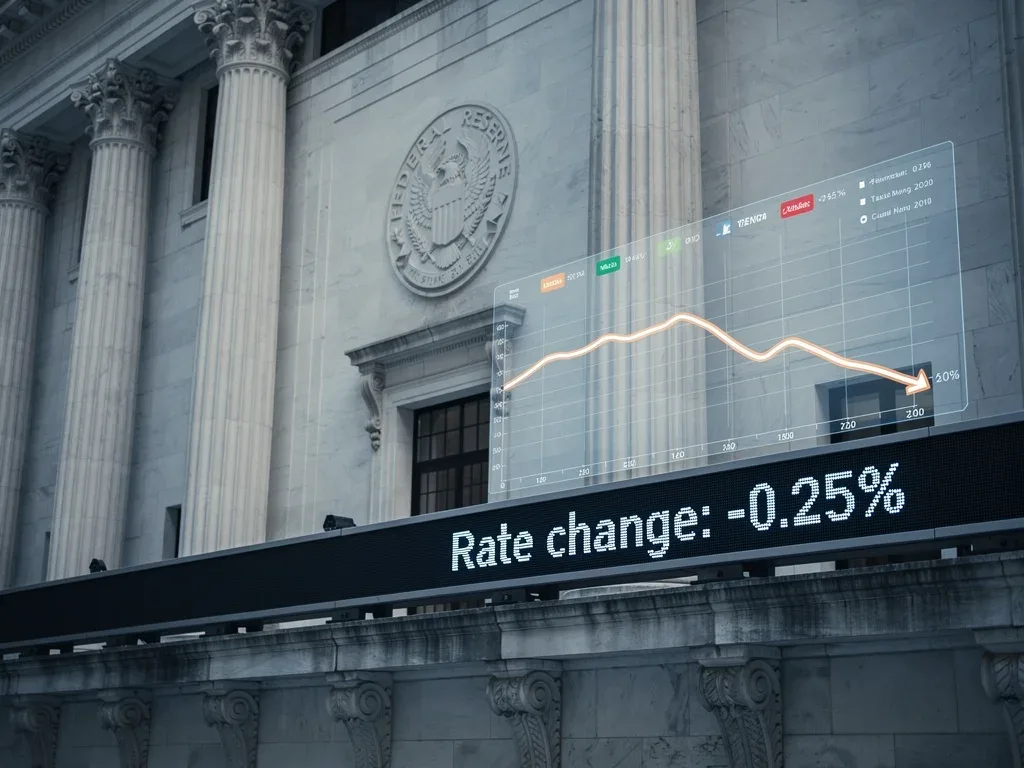
The Federal Reserve has officially announced a 25 basis point cut to its benchmark interest rate, a move signaling confidence in stabilizing inflation. This decision impacts various sectors of the U.S. economy, from mortgage rates to business lending, and warrants close attention from all stakeholders. This report details the immediate effects and future outlook following the Fed's latest monetary policy adjustment.
Federal Reserve Cuts Benchmark Interest Rate by 25 Basis Points Amid Stabilizing Inflation, marking a pivotal moment in current economic policy. This action, widely anticipated by market analysts, reflects the central bank's assessment of current economic conditions and its proactive approach to fostering sustainable growth. The implications of this rate cut will reverberate across financial markets and the daily lives of Americans.
The central bank's decision underscores a strategic shift aimed at balancing economic growth with price stability. By reducing borrowing costs, the Federal Reserve seeks to stimulate investment and consumer spending, thereby providing a gentle boost to an economy that has shown signs of moderation. This move is a carefully calibrated response to recent economic data, particularly the encouraging trends in inflation.
Federal Reserve's Rationale Behind the Rate Cut
The Federal Reserve's decision to cut the benchmark interest rate by 25 basis points stems from a comprehensive evaluation of current economic indicators. Foremost among these is the sustained progress in bringing inflation closer to the central bank's long-term target of 2%, without significantly undermining labor market strength. This delicate balance has provided the Fed with the flexibility to adjust its monetary stance.
Recent data has consistently shown a moderation in inflationary pressures, suggesting that previous aggressive rate hikes have had the desired effect. Supply chain disruptions have eased, and commodity prices have stabilized, contributing to a more benign inflationary environment. The Fed's cautious optimism regarding price stability was a key factor in its latest policy adjustment.
Furthermore, while the labor market remains robust, there have been some signs of cooling, such as a slight increase in unemployment claims and a moderation in wage growth. These indicators, coupled with a desire to avoid a potential economic slowdown, provided additional impetus for the Federal Reserve Cuts Benchmark Interest Rate by 25 Basis Points Amid Stabilizing Inflation. The central bank aims to ensure a soft landing for the economy.
Inflation Trends and Economic Outlook
The Federal Reserve's primary mandate includes maintaining maximum employment and price stability. The recent cut reflects a belief that these two objectives can be better achieved with slightly looser monetary conditions. The latest inflation reports have shown a consistent downtrend, giving the Fed confidence to act.
Core inflation, which excludes volatile food and energy prices, has also shown signs of easing, reinforcing the view that underlying price pressures are dissipating. This positive development has been crucial in shaping the Fed's current policy trajectory. The central bank anticipates that this trend will continue, allowing for further measured adjustments if necessary.
- Headline inflation rates have steadily declined over the past few months.
- Core PCE price index, a key Fed inflation gauge, shows moderation.
- Supply chain improvements contribute to lower goods prices.
The economic outlook, while generally positive, indicated areas where a rate cut could provide a beneficial stimulus. Manufacturing activity, for instance, has shown some softness, and a reduction in borrowing costs could help invigorate business investment. The Fed's forward guidance suggests a data-dependent approach, with future decisions contingent on incoming economic information.
Immediate Impact on Financial Markets and Lending Rates
The announcement that Federal Reserve Cuts Benchmark Interest Rate by 25 Basis Points Amid Stabilizing Inflation immediately sent ripples through financial markets. Equity markets generally reacted positively, with investors viewing the cut as a supportive measure for corporate earnings and economic growth. Bond yields, particularly for shorter-term government securities, typically decline in response to such news, reflecting lower future interest rate expectations.
For consumers, the most direct impact will likely be felt in lending rates. Variable-rate mortgages, auto loans, and credit card interest rates are often tied to the prime rate, which typically moves in lockstep with the federal funds rate. Borrowers with these types of loans may see a slight reduction in their monthly payments or an opportunity to refinance at more favorable terms.
However, the impact on fixed-rate mortgages might be less immediate or pronounced, as these are more closely tied to the long-term bond market. Nevertheless, the overall trend of lower benchmark rates tends to put downward pressure on all forms of lending, making borrowing generally more affordable across the board. This can stimulate housing demand and larger consumer purchases.
Mortgage Rates and Consumer Borrowing
Homebuyers and homeowners will be keenly watching mortgage rates. While a 25 basis point cut may seem small, it can translate into meaningful savings over the life of a loan. This could potentially reignite activity in the housing market, which has seen some cooling due to previously high interest rates.
Auto loans and personal loans are also expected to become more attractive. This reduction in the cost of credit can encourage consumers to make planned purchases, from new vehicles to home renovations, thereby contributing to overall economic activity. The aggregate effect of millions of consumers benefiting from lower borrowing costs can be substantial.
- Variable-rate mortgages may see immediate payment reductions.
- Auto loan rates could become more competitive.
- Credit card APRs might slightly decrease, offering some relief.
Businesses, especially small and medium-sized enterprises, will also benefit from reduced borrowing costs. Easier access to capital at lower rates can facilitate expansion plans, investment in new equipment, and hiring. This is a critical aspect of the Fed's strategy to bolster economic growth and job creation, reinforcing the positive effects of Federal Reserve Cuts Benchmark Interest Rate by 25 Basis Points Amid Stabilizing Inflation.
Implications for Businesses and Investment
The Federal Reserve's decision to cut rates has significant implications for businesses across various sectors. Lower borrowing costs can reduce the financial burden on companies, making it more affordable to fund operations, invest in research and development, and expand their market reach. This can lead to increased productivity and competitiveness, ultimately benefiting the broader economy.
For corporations, the reduced cost of debt can improve their balance sheets and free up capital for other strategic initiatives. This might include stock buybacks, dividend payments, or mergers and acquisitions, all of which can influence investor sentiment and market valuations. The overall business environment becomes more conducive to growth and innovation.
Investment strategies are also impacted, as lower interest rates can make fixed-income investments less attractive, potentially driving investors towards riskier, higher-yield assets like stocks. This 'search for yield' can provide a boost to equity markets, although it also carries increased risk. The dynamics of portfolio allocation shift in response to the changing rate environment.
Corporate Spending and Capital Allocation
Businesses often defer capital expenditures during periods of high interest rates due to the increased cost of financing. With a rate cut, companies may feel more confident in moving forward with delayed projects. This can include investments in new technology, infrastructure, or capacity expansion, all of which contribute to long-term economic health.
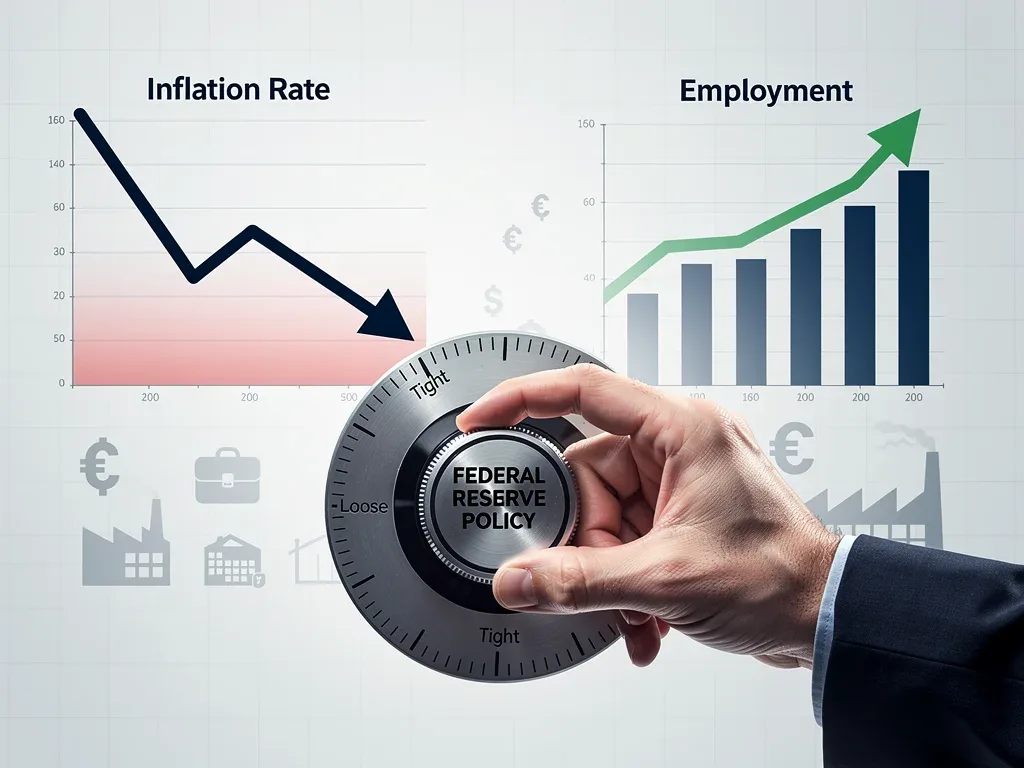
Furthermore, lower rates can also impact a company's ability to service existing debt, reducing interest expenses and improving profitability. This financial flexibility can be crucial for businesses navigating competitive landscapes or economic uncertainties. The positive effects of Federal Reserve Cuts Benchmark Interest Rate by 25 Basis Points Amid Stabilizing Inflation extend to various corporate financial decisions.
- Reduced cost of capital encourages business expansion.
- Improved corporate balance sheets due to lower debt service.
- Potential shift in investment from bonds to equities.
Startups and smaller businesses, which often rely heavily on external financing, stand to gain considerably. Access to more affordable credit can be a game-changer for these entities, enabling them to innovate, grow, and create jobs. This broad-based economic stimulus is a key objective of the Federal Reserve's monetary policy adjustments.
Global Economic Context and International Reactions
The Federal Reserve's interest rate decision does not operate in a vacuum; it has significant ramifications for the global economy. As the world's largest economy, changes in U.S. monetary policy often influence central banks and financial markets worldwide. A rate cut in the U.S. can impact currency exchange rates, capital flows, and trade dynamics, especially as Federal Reserve Cuts Benchmark Interest Rate by 25 Basis Points Amid Stabilizing Inflation.
Typically, a U.S. rate cut can lead to a weakening of the dollar relative to other major currencies, making U.S. exports more competitive and imports more expensive. This can have a mixed impact on international trade, benefiting countries that export to the U.S. but potentially increasing import costs for American consumers and businesses. Global capital flows may also shift as investors seek higher returns in other markets.
Other central banks may face pressure to adjust their own monetary policies in response. If the U.S. cuts rates, other countries might follow suit to prevent their currencies from appreciating too much against the dollar, which could harm their export-oriented economies. This interconnectedness highlights the global implications of the Federal Reserve's actions, emphasizing the need for coordinated economic policies.
Currency Dynamics and Trade Implications
A weaker dollar can be a boon for U.S. multinational corporations, as their foreign earnings translate into more dollars. Conversely, it can make it more expensive for American tourists traveling abroad. These currency fluctuations are a natural outcome of changes in interest rate differentials between countries and are closely monitored by global financial institutions.
The trade balance can also be affected. A more competitive dollar might help reduce the U.S. trade deficit by boosting exports and making imports less attractive. However, the overall impact on trade is complex and depends on a multitude of factors beyond just currency values, including global demand and geopolitical considerations. The ongoing impact of Federal Reserve Cuts Benchmark Interest Rate by 25 Basis Points Amid Stabilizing Inflation is a key point of discussion.
- U.S. dollar may weaken, benefiting exports.
- Other central banks could face pressure to adjust rates.
- Global capital flows may reallocate based on yield differentials.
International investors often re-evaluate their portfolios in light of U.S. monetary policy changes. Lower U.S. interest rates might make emerging markets or other developed economies more attractive for investment, leading to capital outflows from the U.S. Conversely, a stable U.S. economy, supported by the rate cut, could still draw significant foreign investment, albeit with different risk-return profiles.
Potential Risks and Future Outlook
While the Federal Reserve's decision to cut rates is generally viewed as a positive step, it is not without potential risks. One concern is that easing monetary policy too aggressively could reignite inflationary pressures, undoing the progress made in stabilizing prices. The Fed must carefully monitor inflation expectations and actual price movements to avoid this pitfall.
Another risk is that the rate cut might not provide as much stimulus as anticipated if businesses and consumers remain cautious due to other economic uncertainties. Factors such as geopolitical tensions, global economic slowdowns, or domestic political instability could dampen the effectiveness of monetary policy actions. The effectiveness of Federal Reserve Cuts Benchmark Interest Rate by 25 Basis Points Amid Stabilizing Inflation depends on various external factors.

The future outlook largely depends on incoming economic data. The Federal Reserve has repeatedly emphasized its data-dependent approach, meaning that future rate decisions will be guided by inflation trends, labor market conditions, and broader economic growth indicators. Market participants will be closely watching upcoming economic reports and Fed communications for clues about the path forward.
Monitoring Inflation and Economic Growth
The Fed's primary challenge will be to ensure that inflation remains anchored around its 2% target. Any signs of inflation reaccelerating could prompt a reversal in policy, potentially leading to future rate hikes. Therefore, inflation data, including the Consumer Price Index (CPI) and the Personal Consumption Expenditures (PCE) price index, will be under intense scrutiny.
Economic growth metrics, such as GDP reports, retail sales, and industrial production, will also be crucial in assessing the health of the economy and the impact of the rate cut. A robust and sustained economic expansion would validate the Fed's decision, while signs of weakness might signal the need for further adjustments. The comprehensive impact of Federal Reserve Cuts Benchmark Interest Rate by 25 Basis Points Amid Stabilizing Inflation will be assessed through these metrics.
- Close monitoring of inflation metrics is essential.
- GDP, employment, and retail sales data will guide future policy.
- Potential for further rate adjustments based on economic performance.
The Federal Reserve's communications, including speeches by its officials and the minutes of its meetings, will provide further insights into its thinking and future policy intentions. Investors, businesses, and consumers will all be analyzing these signals to make informed decisions in the evolving economic landscape. The forward guidance provided by the Fed will be key in managing expectations and reducing market volatility.
Expert Analysis and Market Expectations
Economic analysts and market strategists have offered varied perspectives on the Federal Reserve's latest rate cut. Many view the 25 basis point reduction as a prudent and timely measure to support economic growth and manage inflation expectations. The consensus largely aligns with the Fed's assessment that inflation is indeed stabilizing, creating room for this policy adjustment.
However, some experts caution that while the immediate impact is positive, the long-term effects will depend on how the economy responds to this stimulus. There is always a lag between monetary policy actions and their full economic impact, making it challenging to predict precise outcomes. The nuanced effects of Federal Reserve Cuts Benchmark Interest Rate by 25 Basis Points Amid Stabilizing Inflation will unfold over time.
Market expectations had largely priced in a 25 basis point cut, so the immediate market reaction was somewhat muted, reflecting that the news was already anticipated. Nevertheless, the confirmation provides clarity and reduces uncertainty, which can be beneficial for investor confidence. The focus now shifts to whether this is an isolated cut or the beginning of a new easing cycle.
Analyst Perspectives on Economic Trajectory
Analysts are now debating the likelihood of further rate cuts in the coming months. Some believe that if inflation continues its downward trend and economic growth moderates further, the Fed might consider additional reductions. Others argue that the Fed will adopt a wait-and-see approach, allowing the effects of this cut to fully materialize before making another move.
The trajectory of the labor market will be a critical determinant for future policy. Strong employment figures might limit the need for further stimulus, whereas any significant weakening could prompt additional action. The interplay between inflation, employment, and economic growth will dictate the Fed's next steps, as Federal Reserve Cuts Benchmark Interest Rate by 25 Basis Points Amid Stabilizing Inflation becomes part of a broader strategy.
- Analysts generally see the cut as a prudent, anticipated move.
- Debate continues on the potential for future rate adjustments.
- Labor market data will be a key factor in upcoming decisions.
The market's long-term expectations will also be shaped by global economic developments. Any significant shifts in international trade, geopolitical stability, or economic performance in major global economies could influence the Fed's domestic policy decisions. The central bank remains attuned to both internal and external factors that could impact the U.S. economic outlook.
| Key Point | Brief Description |
|---|---|
| Rate Cut | Federal Reserve reduced benchmark interest rate by 25 basis points. |
| Rationale | Stabilizing inflation and desire to support economic growth. |
| Market Impact | Lower borrowing costs for consumers and businesses, equity market boost. |
| Future Outlook | Data-dependent approach; potential for further adjustments. |
Frequently Asked Questions About the Fed Rate Cut
What does a 25 basis point rate cut mean?▼A 25 basis point rate cut means the Federal Reserve has lowered its target federal funds rate by 0.25 percentage points. This adjustment influences other interest rates throughout the economy, making borrowing generally cheaper for banks, businesses, and consumers alike, directly impacting various financial instruments.
How will this rate cut affect my mortgage?▼If you have a variable-rate mortgage, your payments may decrease soon as the prime rate adjusts. For fixed-rate mortgages, the impact is less direct but could lead to lower rates for new loans or refinancing opportunities, making homeownership more accessible and affordable in the long run.
Why did the Federal Reserve cut rates now?▼The Federal Reserve Cuts Benchmark Interest Rate by 25 Basis Points Amid Stabilizing Inflation to support economic growth while maintaining price stability. Recent data indicated inflation is moving closer to their 2% target, providing room to ease monetary policy without risking a resurgence in price pressures, thereby balancing economic objectives.
What are the risks associated with this rate cut?▼Potential risks include a possible re-acceleration of inflation if the economy overheats due to cheaper borrowing. There is also a risk that the stimulus might not be as effective if other economic uncertainties persist, dampening consumer and business confidence despite lower rates, requiring careful monitoring.
What should I expect in the coming months?▼Expect continued monitoring of economic data, particularly inflation and employment figures, by the Federal Reserve. Future policy decisions will be data-dependent, meaning additional rate adjustments are possible, but not guaranteed. Stay informed on economic reports and Fed communications for further insights into the evolving landscape.
What happens now
The Federal Reserve Cuts Benchmark Interest Rate by 25 Basis Points Amid Stabilizing Inflation, signaling a careful recalibration of monetary policy. This move aims to bolster economic activity without reigniting inflationary pressures. Looking ahead, stakeholders should closely monitor inflation metrics, labor market data, and the Federal Reserve's forward guidance. The ongoing impact of this decision will shape borrowing costs, investment opportunities, and the overall economic trajectory for the foreseeable future, demanding continued vigilance from all sectors.