Nationwide Housing Report Shows Single-Family Home Inventory Surged 14% This Quarter

Advertisements
The latest developments on Nationwide Housing Report Shows Single-Family Home Inventory Surged 14% This Quarter provide key facts and verified analysis. This report offers insights into the evolving real estate market in the United States, detailing what readers need to know about current trends and future outlooks. We provide a clear, objective overview of the situation.
The recent Nationwide Housing Report Shows Single-Family Home Inventory Surged 14% This Quarter, marking a significant shift in the U.S. real estate market. This substantial increase in available homes presents new dynamics for both prospective buyers and current sellers, influencing pricing strategies and market competitiveness. Understanding the nuances of this surge is crucial for anyone involved in housing decisions.
Understanding the Inventory Surge Dynamics
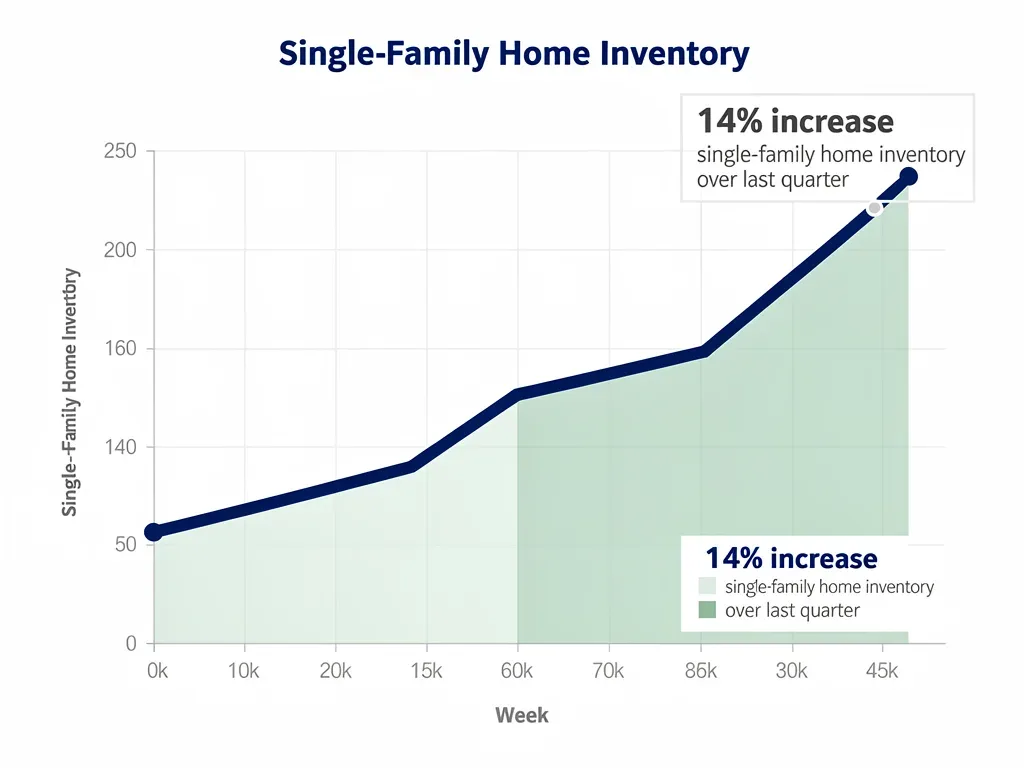
The recent Nationwide Housing Report Shows Single-Family Home Inventory Surged 14% This Quarter, indicating a notable change from previous periods. This increase suggests a potential rebalancing of supply and demand, which could have far-reaching implications for housing affordability and market activity across various regions.
Analysts are closely examining the factors contributing to this surge, including new construction, shifts in homeowner behavior, and evolving economic conditions. The data provides a clearer picture of market health and potential future trajectories, moving beyond anecdotal observations to concrete statistical evidence.
This development is particularly relevant for urban and suburban areas where housing shortages have been a persistent challenge. A 14% increase in inventory could alleviate some pressure, offering more choices for buyers and potentially moderating price growth.
Factors Driving the Inventory Increase
Several interconnected factors appear to be contributing to the significant rise in single-family home inventory. Economic shifts, including interest rate adjustments and inflation concerns, are prompting some homeowners to reconsider their selling timelines or new purchase plans, indirectly impacting market supply.
New construction efforts have also played a role, with builders responding to previous demand by increasing housing starts, which are now coming to market. This influx of newly built homes adds directly to the available inventory, particularly in growing metropolitan areas.
Furthermore, an easing of pandemic-driven market frenzies has allowed for a more normalized selling environment. This means fewer homes are being snatched up immediately, leading to longer market times and thus, a higher visible inventory.
Economic Influences on Supply
The current economic climate, characterized by fluctuating interest rates, influences both buyer demand and seller decisions. Higher mortgage rates can temper buyer enthusiasm, leading to fewer immediate purchases and allowing inventory to accumulate.
Inflationary pressures also impact homeowners' financial decisions, potentially leading some to sell properties they might otherwise have held onto. This contributes to the overall increase in available homes on the market.
- Rising mortgage rates impacting buyer affordability.
- Inflation encouraging some homeowners to liquidate assets.
- Slower market pace allowing inventory to build up.
Impact of New Construction
Builders have been working to address housing shortages, and many projects initiated months ago are now reaching completion. This fresh supply of single-family homes is a direct contributor to the 14% surge reported.
The geographic distribution of this new construction is critical, as it tends to concentrate in areas with strong job growth and expanding populations. These regions are seeing the most significant increases in available homes.
Regional Disparities in Inventory Growth
While the Nationwide Housing Report Shows Single-Family Home Inventory Surged 14% This Quarter, the impact is not uniform across all regions of the United States. Some areas are experiencing more pronounced increases than others, reflecting local market conditions, population shifts, and economic resilience.
For instance, fast-growing Sun Belt states might see a greater influx of new construction, contributing more significantly to their local inventory numbers. Conversely, established, densely populated urban centers might experience more modest increases due to land scarcity and differing development patterns.
Understanding these regional variations is crucial for both buyers and sellers, as localized data provides a more accurate picture of market opportunities and challenges. A national average, while indicative, does not capture the full complexity of individual housing markets.
Hot Markets and Their Inventory Changes
Regions that have seen explosive growth in recent years, often characterized by strong in-migration and job creation, are now showing some of the most significant inventory gains. This includes metropolitan areas in Florida, Texas, and parts of the Carolinas.
In these areas, the combination of increased new construction and a slight cooling of buyer demand is leading to a more balanced market. This shift offers buyers more negotiation power and a wider selection of homes than was available just a year ago.
- Sun Belt states showing pronounced inventory increases.
- Areas with strong job growth seeing more new construction.
- Increased buyer choice and potential moderation in price growth.
Implications for Buyers and Sellers
The information that the Nationwide Housing Report Shows Single-Family Home Inventory Surged 14% This Quarter carries significant implications for both sides of the real estate transaction. Buyers may find themselves in a more favorable position, with increased options and potentially less intense bidding wars, leading to more thoughtful purchasing decisions.
For sellers, this surge in inventory means a return to a more competitive market environment. Strategic pricing, effective staging, and robust marketing become even more critical to attract buyers and achieve desired sale prices.
Real estate agents and mortgage lenders are also adapting their strategies to this evolving landscape, advising clients on how to best navigate the new market conditions. Understanding these shifts is key to making informed real estate decisions.
Buyer's Market Advantages Emerge
With more homes on the market, buyers gain greater selection and typically face less pressure to make immediate, over-asking-price offers. This allows for more thorough due diligence and potentially better negotiation outcomes.
The increased inventory can also lead to a stabilization or even slight decrease in home prices in certain areas, improving affordability for some prospective homeowners. This is a welcome change for those who have been priced out of the market previously.
Seller's Market Adjustments
Sellers must now differentiate their properties more effectively in a crowded market. This might involve updating homes, offering competitive pricing, or being more flexible with terms to attract buyers.
Gone are the days of guaranteed multiple offers within hours of listing. Sellers need to be prepared for longer market times and potentially adjust their expectations regarding sale prices, aligning with the new supply-driven reality.
Impact on Housing Affordability
The finding that the Nationwide Housing Report Shows Single-Family Home Inventory Surged 14% This Quarter could have a positive impact on housing affordability in the long term. An increase in supply generally helps to temper rapid price appreciation, making homeownership more accessible for a broader segment of the population.
While immediate price drops may not be universal, the slowdown in price growth is a crucial step towards improving affordability. This is particularly important in areas that have experienced significant price escalations over the past few years, where many potential buyers have been sidelined.
However, affordability is not solely dependent on inventory; interest rates, wage growth, and economic stability also play significant roles. The inventory surge is one piece of a complex puzzle, but a critical one for market rebalancing.
Price Stabilization and Accessibility
More inventory means less upward pressure on home prices. This stabilization can provide a much-needed reprieve for buyers who have struggled with rapidly increasing costs, allowing their savings and income to catch up.
First-time homebuyers, in particular, may find this environment more conducive to entering the market. With more choices and less competition, the dream of homeownership becomes a more tangible reality for many.
Future Market Outlook and Expert Predictions
Following the Nationwide Housing Report Shows Single-Family Home Inventory Surged 14% This Quarter, experts are offering varied predictions for the future of the housing market. Many anticipate a continued trend towards a more balanced market, where neither buyers nor sellers hold overwhelming leverage, leading to more sustainable growth.
However, other factors, such as inflation, employment rates, and global economic stability, will continue to influence market direction. The housing sector is inherently sensitive to broader economic currents, making long-term predictions challenging but essential for stakeholders.
Real estate professionals advise vigilance and adaptability, recommending that both buyers and sellers remain informed about local market conditions and seek expert guidance. The market's evolution will likely be characterized by ongoing adjustments and regional variations.

Anticipated Market Adjustments
The market is expected to continue adjusting to the new supply levels, with potential for localized price corrections or slower appreciation. This period of adjustment could last several quarters, as the market fully absorbs the increased inventory.
Interest rate movements will remain a key determinant of buyer activity. Any significant changes in monetary policy could either stimulate or dampen demand, further shaping the trajectory of inventory levels and prices.
- Continued movement towards a balanced market.
- Potential for localized price corrections.
- Interest rates as a major market influencer.
Challenges and Opportunities for Stakeholders
The fact that the Nationwide Housing Report Shows Single-Family Home Inventory Surged 14% This Quarter presents both challenges and opportunities for various stakeholders within the real estate ecosystem. For developers, it means a need to carefully assess demand before embarking on new projects, avoiding oversupply in specific areas.
For real estate agents, the market shift necessitates a refinement of sales strategies, focusing on value proposition and client education. Adapting to a more competitive selling environment requires enhanced skills in negotiation and market analysis.
Mortgage lenders will also face adjustments, with potentially fewer refinance opportunities but an increase in purchase mortgages as more buyers enter the market. Their role in guiding clients through financing options becomes even more critical.
Navigating the New Landscape
Developers must now prioritize market research and demand forecasting to ensure their projects align with current and future buyer needs. This involves a more cautious approach to new developments, particularly in areas already seeing significant inventory increases.
Real estate professionals are focusing on providing personalized advice, helping sellers understand realistic pricing and buyers navigate the increased selection. Their expertise in market trends and negotiation becomes invaluable.
Policy Implications and Regulatory Responses
The Nationwide Housing Report Shows Single-Family Home Inventory Surged 14% This Quarter also has potential policy implications, prompting discussions among lawmakers and regulatory bodies. The goal would be to ensure market stability and promote sustainable housing growth, preventing extreme fluctuations that could harm consumers or the economy.
Policymakers may consider measures to support first-time homebuyers, encourage responsible lending practices, or streamline zoning regulations to facilitate appropriate development. These responses aim to create a healthier, more equitable housing market for all.
The data provides a critical foundation for these policy discussions, offering tangible evidence of market shifts. Informed policy decisions can help mitigate risks and leverage opportunities presented by the changing inventory landscape.
Government and Industry Collaboration
Collaboration between government agencies and industry stakeholders is crucial to addressing the evolving housing market. This partnership can lead to more effective strategies for managing inventory, promoting affordability, and ensuring fair housing practices.
Discussions may include incentives for sustainable development, programs to assist vulnerable populations, and initiatives to improve market transparency. The aim is to build a resilient housing sector capable of withstanding future economic shifts.
| Key Point | Brief Description |
|---|---|
| Inventory Surge | Single-family home inventory increased by 14% nationwide this quarter. |
| Market Shift | Moves towards a more balanced market, benefiting buyers with more options. |
| Affordability Impact | Potential for price stabilization, improving housing accessibility. |
| Future Outlook | Continued adjustments expected, influenced by economic factors and policy. |
Frequently Asked Questions About the Housing Inventory Surge
What does a 14% surge in single-family home inventory mean?▼A 14% surge indicates a significant increase in the number of available single-family homes for sale. This generally shifts market power from sellers to buyers, offering more choices and potentially moderating price growth. It suggests a move towards a more balanced housing market.
Which regions are most affected by this inventory increase?▼While the surge is nationwide, fast-growing areas, particularly in the Sun Belt states, are experiencing more pronounced increases due to new construction and a slight cooling of buyer demand. Local market conditions still vary significantly.
How will this impact home prices?▼Increased inventory typically leads to price stabilization or slower appreciation, rather than immediate drops. In some competitive markets, slight price adjustments might occur, making homes more affordable for a wider range of buyers over time.
What should buyers do in response to this report?▼Buyers should take advantage of increased selection and potentially less competition. It's an opportune time for thorough research, careful consideration of options, and strategic negotiation. Consulting a local real estate agent is highly recommended.
What challenges do sellers face with higher inventory?▼Sellers now face a more competitive market. They need to focus on strategic pricing, effective home presentation, and robust marketing to attract buyers. Flexibility in negotiations and realistic expectations regarding sale timelines are crucial.
What this means
The Nationwide Housing Report Shows Single-Family Home Inventory Surged 14% This Quarter, signaling a clear pivot in the housing market. This shift creates new opportunities for buyers and necessitates strategic adjustments for sellers, moving towards a more balanced environment. Monitoring regional variations, interest rate trends, and policy responses will be key to understanding the full scope of these developments and their long-term implications for housing affordability and market stability across the United States.