Medicare Part D Changes 2026: Save on Prescriptions
Advertisements
The 2026 Medicare Part D deductible is undergoing critical adjustments that will directly impact your annual out-of-pocket healthcare expenses.
Consequently, staying informed about these structural changes is no longer optional—it is a vital component of proactive financial planning.
By focusing on these evolving plan tiers and potential cost shifts now, you can better prepare for your healthcare needs throughout the year.
Ultimately, understanding how these deductibles function is the most effective way to optimize your coverage, avoid unexpected financial burdens, and ensure that your prescription drug plan remains both affordable and reliable in 2026.
Understanding Medicare Part D basics
Understanding Medicare Part D is essential for anyone looking to manage their prescription drug costs effectively. This program offers coverage for medications and can significantly lighten your financial burden.
Medicare Part D is a federal program that helps pay for prescription drugs. Coverage is provided through private insurance companies approved by Medicare. This means you can select a plan that fits your needs best.
Key Aspects of Medicare Part D
When you enroll in Medicare Part D, there are key aspects to consider:
Enrollment Period: You must sign up during the open enrollment period to avoid penalties.
Plan Options: Different plans offer various drugs on their covered lists.
Costs: Monthly premiums, deductibles, and copayments can vary by plan.
Understanding these components helps you choose the right plan. It’s important to review each option carefully. Not all plans cover the same medications, so finding one that meets your needs is crucial.
How to Choose a Plan
Choosing the right Medicare Part D plan can be challenging. Start by considering your current prescriptions. Make a list of the medications you take regularly to ensure they're covered.
Furthermore, compare the plans based on:
Cost: Look at premiums and out-of-pocket expenses.
Pharmacy Networks: Ensure your local pharmacies accept the plan.
Coverage Restrictions: Check if there are any restrictions on medications.
With a bit of research, you can find a plan that works perfectly for you. Always keep in mind that your health needs may change, so it’s beneficial to review your plan regularly.
In summary, knowing the basics of Medicare Part D is crucial for every beneficiary. Make informed decisions to manage your medication expenses effectively.
Key changes for 2026
As we look forward to 2026, it’s important to understand the key changes in Medicare Part D that will affect many beneficiaries. These changes aim to provide better access to medications and potentially lower costs.
One significant change is how the deductible will be adjusted. In 2026, you might notice an increase in the deductible amount, which will likely impact your total out-of-pocket expenses.
This change reflects the rising costs of healthcare and pharmaceuticals.
Changes in Coverage and Costs
In 2026, you can expect several important updates regarding coverage levels:
Increased Premiums: Monthly premiums may rise based on plan adjustments. Be prepared to budget accordingly.
Expanded Drug Coverage: Some plans will include more medications, making it easier to find the drugs you need.
Out-of-Pocket Maximums: Introduction of new out-of-pocket maximum limits aims to protect beneficiaries from excessive costs.
Understanding these coverage changes will help you make informed decisions about your healthcare. The adjustments reflect a commitment to enhancing the quality and affordability of your medications.
What to Do Before 2026
Now is the perfect time to review your current Medicare Part D plan. Look for plans that will continue to meet your needs after these changes take effect.
Consider reaching out to your insurance provider for specific details regarding how your plan may be impacted.
Additionally, consult with healthcare professionals or Medicare advisors who can provide personalized guidance. Staying informed about the adjustments can save you money and ensure you have the medications you need.
Ultimately, being proactive is key. With the changes anticipated in 2026, you can navigate your choices with confidence and clarity.
How the deductible affects costs

The deductible in Medicare Part D plays a crucial role in determining your overall drug costs. Understanding how this works can significantly impact your budget and health choices.
When you first enroll in a plan, you will face an initial deductible. This is the amount you must pay out of pocket before your plan starts covering your medications.
For many, this can be a substantial amount, influencing how quickly you can access your drugs.
Impact on Out-of-Pocket Expenses
Here’s how the deductible affects your costs:
Higher Initial Costs: If your plan has a high deductible, you'll pay more upfront before insurance kicks in.
Medication Access: During the deductible phase, you may have to choose between different medications based on costs.
Budgeting Needs: Knowing your deductible allows you to plan your healthcare spending more effectively.
Once the deductible is met, your plan generally starts to help with medication costs. However, you may still face coinsurance or copayments depending on your specific plan.
Understanding these terms is essential since they affect your total spending.
Choosing Plans Wisely
When selecting a plan for Medicare Part D, consider how the deductible fits into the overall structure of your costs.
Compare plans not just on their premiums but also how they handle deductibles and out-of-pocket expenses. This comparison will help you find a plan that offers the best value based on your health needs and budget.
For individuals with chronic conditions, high medication costs can be daunting.
Understanding the relationship between deductibles and costs can lead to better decisions about your healthcare plan. Remember, knowledge is power when managing your health expenses.
Tips for managing your expenses
Managing your expenses related to Medicare Part D is vital for maintaining your financial health. With rising costs in medications, it’s crucial to stay organized and informed about your spending.
First, create a budget that outlines your expected medical expenses. Knowing how much you have available each month will help you plan for your out-of-pocket costs, especially after the deductible has been met.
Strategies to Reduce Costs
Implementing some strategies can significantly lower your expenses:
Choose the Right Plan: Each year, review your Medicare Part D plan options to find one that best fits your needs and budget.
Use Generic Medications: Whenever possible, ask your doctor for generic alternatives to brand-name medications. They often work just as well at a lower cost.
Participate in Pharmacy Savings Programs: Many pharmacies offer discount programs or memberships that can help lower your costs.
Another effective approach is to track your medication expenses closely. Keep a log of all your prescribed drugs and their associated costs to identify any unexpected expenses. This practice will help you stay on top of your budget.
Consulting Healthcare Professionals
Your healthcare provider can be a valuable resource in managing your expenses. They can help you find lower-cost medications or alternative treatments.
Additionally, regularly discussing your financial situation with your healthcare providers may lead to discovering more affordable options.
Overall, managing your expenses effectively involves planning, researching, and regularly reviewing your medication needs. Staying organized will empower you to navigate your healthcare costs more efficiently.
Resources for Medicare beneficiaries
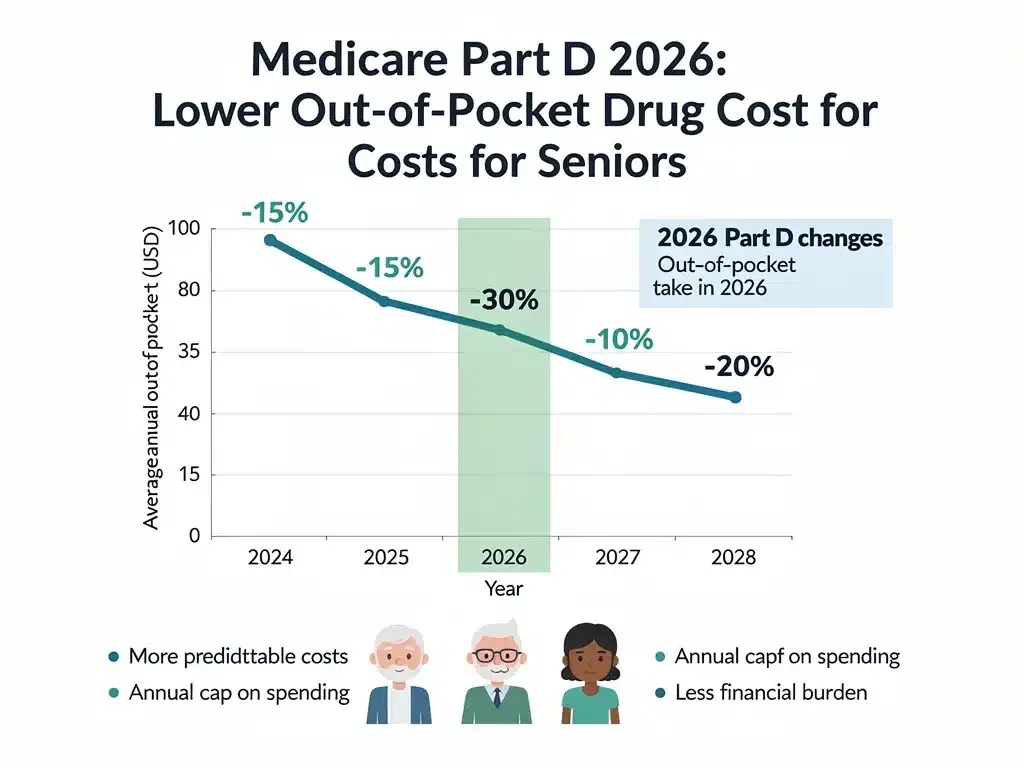
There are many valuable resources available for Medicare beneficiaries to help them navigate their plans and options. Knowing where to look can make a significant difference in managing your health care needs effectively.
One key resource is the official Medicare website. Here, you can find comprehensive information regarding eligibility, benefits, and how to enroll.
It also provides tools that allow you to compare different Medicare Part D plans based on your medication needs.
Local Assistance Programs
In addition to online resources, many organizations offer in-person assistance:
State Health Insurance Assistance Programs (SHIP): These programs provide free, personalized counseling to help you understand your Medicare options.
Area Agencies on Aging: Many local agencies assist seniors in accessing health care services, including Medicare.
Community Health Centers: These centers often provide resources for individuals on Medicare, including help with paperwork and applications.
These local resources are essential for beneficiaries who prefer face-to-face assistance. They can help clarify any confusing aspects of your plan and offer valuable support.
Online Tools and Support
There are also numerous online tools that you can utilize at any time. Websites like Medicare.gov allow you to:
Find Plans: Search for Medicare options in your area based on specific medications.
Calculate Costs: Use online calculators to estimate your out-of-pocket expenses.
Access Educational Materials: Download brochures and guides that explain the various components of Medicare.
Staying informed and using the resources available will help you maximize your Medicare benefits. Being proactive can lead to significant savings and better health management.
Key Point | Brief Description |
|---|---|
Out-of-Pocket Cap | Annual limit of $2,000 on prescription drug costs for beneficiaries. |
Catastrophic Phase | Elimination of the 5% coinsurance, leading to zero costs after cap. |
Drug Price Negotiation | Medicare gains power to negotiate prices with pharmaceutical companies. |
Potential Savings | Up to 15% or more in annual prescription costs for many seniors. |
Frequently Asked Questions About Medicare Part D Changes
What is the most significant change coming to Medicare Part D in 2026?▼
The most significant change is the implementation of a $2,000 annual out-of-pocket spending cap for prescription drugs. Once beneficiaries reach this limit, they will not pay any further costs for covered medications for the rest of the year, providing substantial financial relief.
How will the elimination of the 5% coinsurance benefit seniors?▼
The elimination of the 5% coinsurance in the catastrophic phase means that after reaching the out-of-pocket threshold, beneficiaries will pay nothing for their prescriptions. This protects those with high drug costs from accumulating significant bills even after meeting their initial spending limits.
Can all 49 million seniors expect to save 15% on their prescriptions?▼
While the potential for savings is significant, the actual percentage saved will vary by individual. Those with high annual prescription costs, particularly those who previously entered the catastrophic phase, are most likely to see savings of 15% or more due to the new out-of-pocket cap.
When exactly do these Medicare Part D Changes in 2026 take full effect?▼
While some provisions, like the catastrophic phase changes, begin in 2024 and 2025, the $2,000 out-of-pocket spending cap for Medicare Part D beneficiaries will be fully implemented starting in 2026. Beneficiaries should monitor their plan details leading up to this date.
What should seniors do to prepare for these upcoming changes?▼
Seniors should review their current prescription drug spending, stay informed about official Medicare communications, and compare Part D plans during open enrollment. Consulting with a Medicare counselor or financial advisor can also help personalize their preparation strategy for the Medicare Part D Changes in 2026.
Conclusion: Navigating Your Coverage
In conclusion, understanding Medicare Part D is essential for all beneficiaries seeking to manage their prescription drug costs effectively.
By staying informed about annual changes to formularies, premiums, and coverage gaps, you can significantly optimize your health benefits and minimize out-of-pocket expenses.
Furthermore, it is vital to utilize the various resources and digital tools available to guide your enrollment and renewal decisions.
Ultimately, being proactive today regarding your plan selection can lead to a healthier and more financially secure future.
With careful planning and the right information, you can navigate the complex Medicare landscape with ease; to explore personalized plan options and compare current coverage, you can access the Healthcare.com Medicare Part D resource portal here.