SEC Crypto Regulations 2026: Guide for US Traders
Advertisements
Latest developments on Understanding the New SEC Regulations for Cryptocurrency Investments in 2026: A Guide for US Traders., with key facts, verified sources and what readers need to monitor next in Estados Unidos, presented clearly in Inglês (Estados Unidos) (en-US).
Understanding the New SEC Regulations for Cryptocurrency Investments in 2026: A Guide for US Traders.
is shaping today’s agenda with new details released by officials and industry sources. This update prioritizes what changed, why it matters and what to watch next, in a straightforward news format.
Anticipating the Regulatory Shift: SEC’s Stance on Crypto
The U.S. Securities and Exchange Commission (SEC) has consistently signaled its intent to bring the burgeoning cryptocurrency market under a more defined regulatory umbrella.
As 2026 approaches, market participants, particularly US traders, are bracing for a significant overhaul in how digital assets are classified, traded, and overseen.
This impending framework aims to mitigate risks associated with market volatility, investor protection, and illicit financial activities, issues that have plagued the crypto space for years.
Understanding the New SEC Regulations for Cryptocurrency Investments in 2026: A Guide for US Traders. is no longer a speculative exercise but a critical necessity for survival and prosperity in this evolving market.
The regulatory shift is expected to clarify ambiguities that have long existed, providing both challenges and opportunities for innovation within a more structured environment.
This proactive approach by the SEC reflects a global trend towards greater scrutiny of digital assets.
The Genesis of New Regulations: Why Now?
The rapid growth of the cryptocurrency market, coupled with several high-profile collapses and instances of fraud, has accelerated the SEC’s regulatory efforts.
Lawmakers and financial watchdogs are increasingly concerned about the lack of investor safeguards compared to traditional financial markets.
These concerns range from market manipulation and insider trading to the opaque nature of many crypto projects and their offerings.
The current regulatory patchwork, often relying on existing securities laws, has proven insufficient for the unique characteristics of digital assets, necessitating a dedicated and comprehensive framework.
Furthermore, the increasing institutional adoption of cryptocurrencies has underscored the need for regulatory clarity to ensure stability and integrity across the broader financial system.
The aim of Understanding the New SEC Regulations for Cryptocurrency Investments in 2026: A Guide for US Traders. is to provide this much-needed clarity.
Defining Securities: The Howey Test Revisited
A cornerstone of the SEC’s approach has been the application of the Howey Test to determine if a digital asset constitutes a security. This test, originating from a 1946 Supreme Court case, evaluates whether an investment contract exists.
The challenge with crypto assets lies in their diverse functionalities and evolving technological underpinnings, making a clear-cut application of the Howey Test often difficult.
The new regulations are expected to provide more specific guidance on how various types of digital assets, from utility tokens to stablecoins, will be classified.
This re-evaluation of the Howey Test in the context of digital assets is crucial for both issuers and investors, as it dictates the compliance obligations and disclosure requirements.
Understanding the New SEC Regulations for Cryptocurrency Investments in 2026: A Guide for US Traders. will largely depend on these interpretations.
- The Howey Test: A legal framework to identify investment contracts.
- Application to crypto: Adapting a decades-old test to novel digital assets.
- New guidance: Expected clarity on token classification and regulatory status.
Impact on Exchanges and Trading Platforms
Cryptocurrency exchanges and trading platforms operating in the U.S. are likely to face heightened scrutiny and stricter registration requirements.
The SEC has repeatedly emphasized that many platforms facilitating the trading of digital assets that meet the definition of a security should be registered as national securities exchanges.
This could necessitate significant operational changes, including enhanced customer protections, robust anti-money laundering (AML) and know-your-customer (KYC) procedures, and stricter listing standards.
Non-compliant platforms may face severe penalties or be forced to cease operations in the U.S., impacting liquidity and access for US traders.
The goal is to ensure that these platforms offer the same level of investor protection and market integrity as traditional stock exchanges.
This is a key aspect of Understanding the New SEC Regulations for Cryptocurrency Investments in 2026: A Guide for US Traders.
Investor Protection and Disclosure Requirements
A primary focus of the new SEC regulations will undoubtedly be on enhancing investor protection. This means more stringent disclosure requirements for projects issuing digital assets, akin to those for traditional public companies.
Issuers may be required to provide detailed information about their technology, financial health, management teams, and the risks associated with their tokens.
This transparency is intended to equip investors with the necessary information to make informed decisions and reduce the prevalence of fraudulent schemes.
For US traders, this translates to a potentially safer investment environment but also requires a greater understanding of complex legal and financial disclosures.
This will be central to Understanding the New SEC Regulations for Cryptocurrency Investments in 2026: A Guide for US Traders.
Furthermore, new rules might impose restrictions on marketing and promotional activities for certain digital assets, ensuring that information presented to the public is accurate and not misleading.
This aims to curb the speculative frenzy often fueled by unsubstantiated claims.
Addressing Stablecoins and DeFi
Stablecoins, designed to maintain a stable value relative to a fiat currency or other assets, have attracted significant regulatory attention due to their potential systemic risks.
The SEC, in conjunction with other federal agencies, is expected to introduce specific regulations addressing their reserves, auditing, and operational transparency.
Decentralized Finance (DeFi) protocols, which operate without traditional intermediaries, present a unique challenge to regulators.
While the SEC acknowledges the innovative potential of DeFi, it is also concerned about its susceptibility to manipulation, lack of investor recourse, and potential for illicit activities.
Future regulations may seek to identify responsible parties within DeFi ecosystems, or impose a duty of care on those developing and promoting these protocols.
Understanding the New SEC Regulations for Cryptocurrency Investments in 2026: A Guide for US Traders. will necessitate grappling with these complex, evolving areas.
- Stablecoin oversight: Regulations focusing on reserves, audits, and transparency.
- DeFi challenges: Addressing risks in decentralized protocols and identifying accountability.
- Innovation vs. regulation: Balancing technological advancement with investor protection.
Enforcement Actions and Regulatory Precedents
The SEC has not been shy about taking enforcement actions against entities it believes have violated existing securities laws in the crypto space.
These actions serve as precedents, signaling the agency’s interpretation of current law and its future regulatory direction.
Notable cases have involved unregistered securities offerings, fraudulent schemes, and failures to register as exchanges or brokers.
These enforcement activities underscore the risks faced by projects and platforms that operate outside the established legal framework, impacting the choices available to US traders.
The lessons learned from these cases will heavily influence the specific provisions of the new regulations, providing a clearer roadmap for compliance.
Therefore, Understanding the New SEC Regulations for Cryptocurrency Investments in 2026: A Guide for US Traders. requires paying attention to these past and ongoing legal battles.
The Role of Other Agencies
While the SEC primarily focuses on securities, other federal agencies also play a crucial role in regulating the broader crypto ecosystem.
The Commodity Futures Trading Commission (CFTC) oversees commodities, including some cryptocurrencies like Bitcoin, while the Treasury Department’s FinCEN addresses anti-money laundering concerns.
Coordination among these agencies is vital to avoid regulatory arbitrage and ensure a comprehensive approach to digital asset oversight.
New legislation or inter-agency agreements might further delineate their respective jurisdictions, providing greater clarity for market participants.
For US traders, navigating these overlapping jurisdictions can be complex, highlighting the importance of a unified regulatory front.
Understanding the New SEC Regulations for Cryptocurrency Investments in 2026: A Guide for US Traders. will involve monitoring these inter-agency collaborations closely.
Preparing for Compliance: Strategies for US Traders
As the 2026 deadline approaches, US traders must proactively prepare for the new regulatory environment. This involves understanding the potential reclassification of their existing holdings and adjusting their investment strategies accordingly.
Staying informed through reliable news sources, engaging with legal and financial advisors specializing in digital assets, and participating in industry discussions are crucial steps.
Traders should also scrutinize the compliance efforts of any platforms or projects they utilize, ensuring they align with the anticipated regulations.
Diversification and risk management will become even more paramount in a landscape with increased regulatory oversight and potential enforcement.
This proactive preparation is essential for successfully Understanding the New SEC Regulations for Cryptocurrency Investments in 2026: A Guide for US Traders.
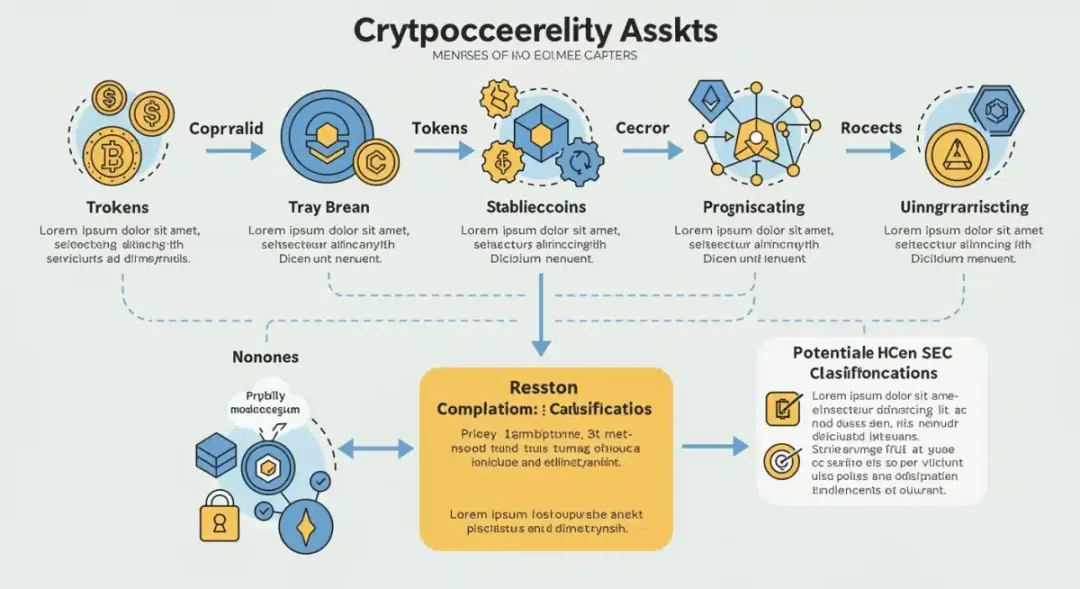
Furthermore, traders may need to adjust their tax reporting practices to align with any new guidance issued by the IRS in conjunction with the SEC’s framework.
The interplay between securities regulation and tax law is often complex, requiring careful attention to detail.
Leveraging Technology for Compliance
The complexity of the new regulations may necessitate the adoption of advanced technological solutions for compliance. This includes automated tools for transaction monitoring, portfolio analysis, and regulatory reporting.
Blockchain analytics firms and regtech (regulatory technology) providers are developing sophisticated tools to help traders and institutions navigate the evolving compliance landscape.
These solutions can assist in identifying potential regulatory risks, ensuring adherence to AML/KYC requirements, and streamlining reporting processes.
Embracing these technological advancements can not only ensure compliance but also provide a competitive edge in a highly regulated market.
Understanding the New SEC Regulations for Cryptocurrency Investments in 2026: A Guide for US Traders. will increasingly involve leveraging such tools.
The Long-Term Outlook: Innovation vs. Regulation
The long-term impact of the new SEC regulations on the cryptocurrency market is a subject of intense debate.
While some fear that stringent rules could stifle innovation and drive crypto activity offshore, others argue that regulatory clarity will foster greater institutional adoption and market maturity.
A well-defined regulatory framework could legitimize the crypto space, attracting more traditional investors and encouraging the development of more robust and compliant projects.
This could ultimately lead to a more stable and sustainable market, benefiting all participants.
The challenge for the SEC will be to strike a balance between investor protection and fostering innovation, ensuring that the U.S. remains a leader in the digital asset economy.
This delicate balance is at the heart of Understanding the New SEC Regulations for Cryptocurrency Investments in 2026: A Guide for US Traders.

The regulatory evolution will also test the adaptability of existing blockchain technologies and decentralized governance models. Projects that can integrate compliance into their core design may thrive, while others may struggle to adapt to the new paradigm.
Global Regulatory Convergence
The SEC’s actions are not occurring in a vacuum; global regulators are also grappling with similar challenges in overseeing digital assets.
There is a growing movement towards international cooperation and harmonization of crypto regulations to prevent regulatory arbitrage and ensure a level playing field.
Understanding the U.S. approach within this global context is important for US traders who engage in international transactions or invest in globally accessible digital assets.
The SEC’s framework could influence, and be influenced by, regulatory developments in other major jurisdictions.
This global convergence of regulatory efforts underscores the universal recognition of cryptocurrencies as a significant financial innovation requiring careful oversight.
This broader perspective is essential for full Understanding the New SEC Regulations for Cryptocurrency Investments in 2026: A Guide for US Traders.
| Key Aspect | Description |
|---|---|
| Asset Classification | Clarification of which digital assets fall under securities laws. |
| Exchange Requirements | Stricter registration and operational standards for crypto trading platforms. |
| Investor Protection | Enhanced disclosure rules and safeguards for US traders. |
| Stablecoin Oversight | Specific regulations regarding stablecoin reserves and transparency. |
Frequently Asked Questions: SEC Crypto Regulations 2026
What is the primary goal of the new SEC regulations for crypto?▼The primary goal is to enhance investor protection, ensure market integrity, and mitigate risks associated with illicit financial activities in the rapidly expanding cryptocurrency market. The SEC aims to bring digital assets under a clearer regulatory framework, similar to traditional securities.
How will the Howey Test apply to new digital assets?▼The SEC is expected to provide more specific guidance on how the Howey Test will classify various digital assets, such as utility tokens and stablecoins. This will determine if they are considered securities and thus subject to SEC oversight, impacting their issuance and trading for US traders.
What changes can crypto exchanges expect by 2026?▼Crypto exchanges are likely to face stricter registration requirements, enhanced customer protection measures, and robust AML/KYC procedures. They may need to register as national securities exchanges if they facilitate trading of assets deemed securities, significantly altering their operational landscape.
How can US traders prepare for these new regulations?▼US traders should stay informed through reputable sources, consult with legal and financial experts specializing in crypto, and scrutinize the compliance efforts of platforms they use. Adjusting investment strategies and understanding new disclosure requirements will be crucial for navigating the changes effectively.
Will these regulations stifle innovation in the crypto space?▼While some fear regulations may slow innovation, many believe clarity will foster greater institutional adoption and market maturity. A well-defined framework can legitimize the space, attracting more traditional investors and encouraging the development of more robust, compliant projects, ultimately leading to sustainable growth.
Looking Ahead: Navigating the New Regulatory Horizon
The impending Understanding the New SEC Regulations for Cryptocurrency Investments in 2026: A Guide for US Traders marks a pivotal moment for the digital asset landscape.
These regulations are not merely bureaucratic hurdles but a foundational shift towards greater accountability and investor confidence.
Under the leadership of SEC Chair Paul Atkins, the agency has pivoted toward a “smart regulation” approach, emphasizing the Project Crypto harmonization with the CFTC and the implementation of the GENIUS Act. For US traders, this means:
Clarified Taxonomies: A clearer distinction between digital securities and commodities.
Safe Harbors: New pathways for innovation through temporary exemptions.
Institutional Integration: Enhanced rules for tokenized collateral and 24/7 trading infrastructure.
The success of this regulatory overhaul will hinge on the SEC’s ability to adapt its rules to a rapidly evolving technological environment while maintaining its core mission of protecting investors and fostering fair markets.
For US traders, continuous education and agile adaptation will be key to thriving in this new era. To stay updated on the latest legal shifts and inter-agency coordination, you can monitor the Crypto Brief from Lowenstein Sandler.