New Senior Benefits 2026: 3 Underutilized Programs for Seniors

Latest developments on New Senior Benefits 2026: Exploring 3 Underutilized Programs for Americans Over 65, with key facts, verified sources and what readers need to monitor next in Estados Unidos, presented clearly in Inglês (Estados Unidos) (en-US).
The landscape of support for older Americans is constantly shifting, and New Senior Benefits 2026: Exploring 3 Underutilized Programs for Americans Over 65 brings critical updates. As the year 2026 approaches, it is imperative for seniors and their families to understand the full scope of available assistance.
This report focuses on three specific programs that, despite their potential, remain significantly underutilized. Understanding their eligibility criteria and application processes can unlock substantial financial, health, and social advantages for those who qualify, directly impacting their quality of life.
Our objective is to provide a comprehensive, factual overview, enabling readers to navigate these opportunities effectively. We aim to equip you with the knowledge to access these crucial resources, ensuring that no eligible senior misses out on the support they deserve as part of the broader Senior Benefits 2026 initiatives.
Understanding the Evolving Landscape of Senior Benefits 2026
The year 2026 is poised to introduce significant adjustments and enhancements to various programs designed for Americans over 65. These changes reflect evolving demographic needs, economic conditions, and policy priorities at both federal and state levels, impacting the overall framework of Senior Benefits 2026.
It is crucial for eligible individuals and their caregivers to stay informed about these impending modifications. Proactive engagement with official sources and trusted information channels can ensure that seniors are well-prepared to leverage these updated benefits effectively.
Many valuable programs often go unnoticed due to complex eligibility rules or a lack of public awareness. Our focus here is to shed light on these underutilized opportunities within the larger context of Senior Benefits 2026, allowing more seniors to access the support intended for them.
Program 1: The Enhanced Health & Wellness Grant Initiative
The Enhanced Health & Wellness Grant Initiative, slated for expanded reach in 2026, aims to provide direct financial aid for preventative care and health-related services not fully covered by traditional Medicare. This initiative represents a significant step towards holistic senior well-being under the umbrella of Senior Benefits 2026.
While awareness of this grant remains relatively low, its potential impact on reducing out-of-pocket health expenses for seniors is substantial. Eligibility typically hinges on income thresholds and specific health needs, making it a targeted yet powerful resource for many.
The application process, though detailed, is designed to be accessible, with various community organizations offering assistance. This program is a cornerstone of the proactive health measures highlighted within Senior Benefits 2026 frameworks.
Eligibility Criteria and Application Process
Eligibility for the Enhanced Health & Wellness Grant Initiative primarily considers household income relative to the federal poverty level, alongside specific medical conditions or preventative care requirements. Applicants must generally be over 65, or in some cases, individuals with qualifying disabilities, to access these Senior Benefits 2026.
The application process involves submitting a detailed form, often requiring documentation of income, medical expenses, and proof of age or disability. It is advisable to gather all necessary paperwork before beginning the application to streamline the process for these vital Senior Benefits 2026.
- Income Verification: Provide recent tax returns or other income statements.
- Medical Documentation: Include physician statements or treatment plans.
- Age/Disability Proof: Submit government-issued identification or disability certification.
- Residency Confirmation: Demonstrate proof of U.S. residency.
Maximizing Your Health Grant Benefits
To fully maximize the Enhanced Health & Wellness Grant, seniors should meticulously review the approved services list and understand coverage limits. This proactive approach ensures that the grant funds are utilized efficiently for eligible health needs, aligning with the goals of Senior Benefits 2026.
Many beneficiaries find it helpful to consult with a financial advisor or a senior advocacy group to identify all potential uses for the grant. These experts can help navigate the nuances of the program and ensure comprehensive coverage of health-related expenses, optimizing the impact of Senior Benefits 2026.
This program can cover items like specialized therapies, adaptive equipment, certain dental or vision care not covered by Medicare, and even some home modifications for safety. Understanding these diverse applications is key to leveraging this component of Senior Benefits 2026 effectively.
Program 2: The Community Integration & Support Network (CISN)
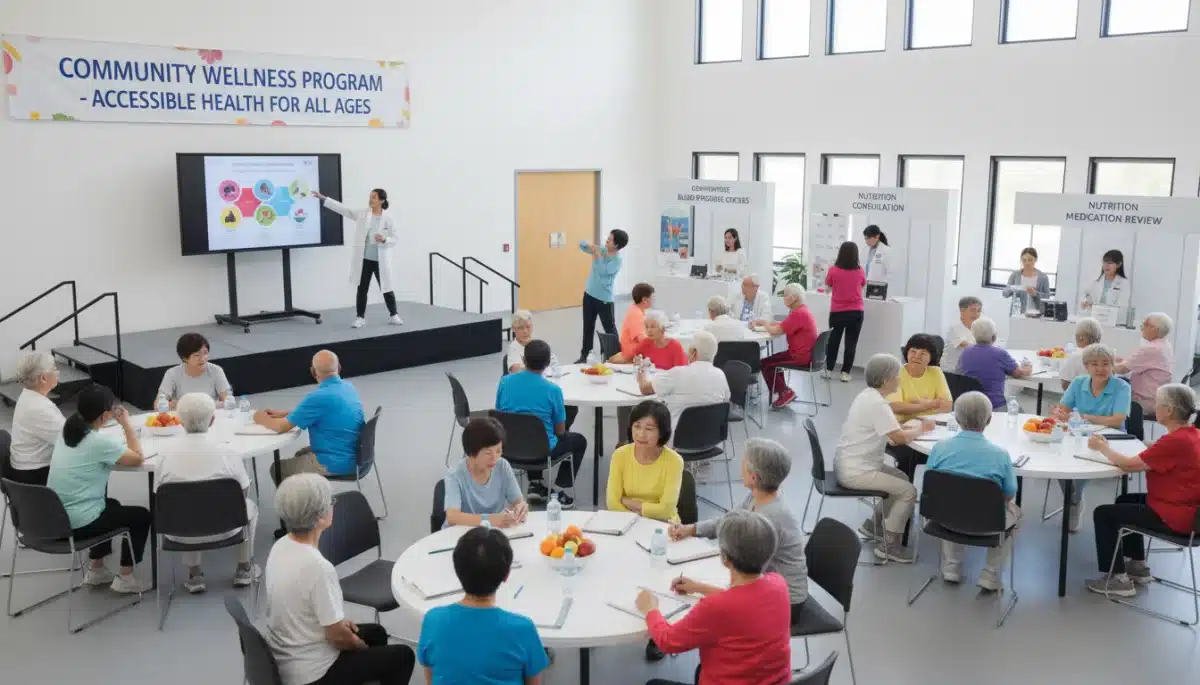
The Community Integration & Support Network (CISN) is another vital, yet often overlooked, program gaining traction as part of Senior Benefits 2026. This initiative focuses on combating social isolation and providing practical support for seniors through local community services.
CISN programs typically offer services such as transportation assistance, meal delivery, social activity coordination, and even minor home repairs. These resources are designed to help seniors maintain independence and enhance their quality of life within their communities, integral to the broader Senior Benefits 2026 objectives.
While these services are widely available, many seniors are unaware of their existence or how to access them. Increased awareness and proactive outreach are essential to ensure more individuals benefit from this critical component of Senior Benefits 2026.
Services Offered and Access Points
The CISN offers a diverse range of services tailored to the specific needs of local senior populations. These can include anything from subsidized public transportation passes to volunteer-led home maintenance teams, all contributing to the comprehensive suite of Senior Benefits 2026.
Access points for CISN services are typically local senior centers, Area Agencies on Aging (AAAs), and various non-profit organizations. These entities serve as crucial hubs for information and direct service provision, facilitating access to these essential Senior Benefits 2026.
- Transportation: Rides to medical appointments, grocery stores, and social events.
- Nutrition: Home-delivered meals or communal dining options.
- Social Engagement: Organized activities, clubs, and volunteer opportunities.
- Home Support: Minor repairs, yard work, or technology assistance.
The Impact of Community Support on Senior Well-being
The psychological and physical benefits of robust community integration for seniors cannot be overstated. Programs like CISN play a critical role in reducing loneliness, improving mental health, and providing practical assistance that enables seniors to live independently longer, a key aim of Senior Benefits 2026.
Studies consistently show that seniors who are actively engaged in their communities experience better health outcomes and higher satisfaction with life. CISN directly addresses these needs, fostering environments where seniors can thrive, making it a cornerstone of effective Senior Benefits 2026 strategies.
By leveraging these community resources, seniors can enhance their daily lives, forge new connections, and access vital support systems. This makes CISN an invaluable, though often underutilized, aspect of the comprehensive Senior Benefits 2026 landscape.
Program 3: The Digital Literacy & Connectivity Initiative
The Digital Literacy & Connectivity Initiative, another underutilized gem within the Senior Benefits 2026 framework, addresses the growing digital divide affecting older Americans. This program aims to provide seniors with access to technology, internet connectivity, and essential digital skills training.
In an increasingly digital world, access to online resources is crucial for everything from healthcare appointments to connecting with family and managing finances. This initiative ensures that seniors are not left behind, bridging the gap to vital services and information, a core aspect of Senior Benefits 2026.
Many seniors face barriers such as the cost of devices, internet service, or a lack of confidence in using technology. This program directly tackles these challenges, making it an indispensable part of the overall Senior Benefits 2026 package for digital inclusion.
Training Modules and Device Access
The Digital Literacy & Connectivity Initiative offers various training modules, ranging from basic computer skills to navigating online banking and telehealth platforms. These modules are often delivered through local libraries, senior centers, and educational institutions, ensuring broad accessibility for these Senior Benefits 2026.
Beyond training, the program also facilitates access to affordable devices, such as tablets or refurbished computers, and subsidized internet services for eligible seniors. This dual approach ensures that participants have both the tools and the knowledge to engage with the digital world, a critical component of Senior Benefits 2026.
These resources are vital for maintaining independence and accessing information. Understanding how to apply for and utilize these training and device access opportunities is key to unlocking this underutilized aspect of Senior Benefits 2026.
Bridging the Digital Divide for Seniors
Bridging the digital divide for seniors has profound implications for their overall well-being and access to modern services. The Digital Literacy & Connectivity Initiative empowers older adults to participate fully in society, reducing isolation and enhancing their ability to manage their lives, a central tenet of Senior Benefits 2026.
From scheduling medical appointments online to video calls with distant relatives, digital proficiency opens up a world of possibilities. This program directly contributes to improved health outcomes, stronger social connections, and greater financial independence for seniors, making it a powerful element of Senior Benefits 2026.
As more services move online, ensuring seniors have the necessary skills and tools becomes increasingly important. This initiative is a proactive step to guarantee that all older Americans can benefit from technological advancements, solidifying their place within the comprehensive framework of Senior Benefits 2026.
Navigating the Application Labyrinth for Senior Benefits 2026
Successfully applying for Senior Benefits 2026 can sometimes feel like navigating a complex maze due to varying requirements and multiple agencies involved. However, understanding the general steps and knowing where to seek assistance can significantly ease this process.
It is important to remember that each program may have specific documentation needs and deadlines. Proactive preparation and organization of personal records are key to a smooth application experience for these vital Senior Benefits 2026.
Seeking guidance from trusted sources, such as senior advocacy organizations, local government agencies, or even community volunteers, can provide invaluable support. These resources are often equipped to help seniors understand eligibility and complete necessary paperwork for Senior Benefits 2026.
Key Steps for a Successful Application
The initial step for any application involves thoroughly reviewing the eligibility criteria for the specific Senior Benefits 2026 program you are interested in. This ensures that time and effort are not wasted on programs for which you do not qualify.
Once eligibility is confirmed, gather all required documentation, including proof of age, income, residency, and any medical records if applicable. Accuracy and completeness are paramount to avoid delays in processing your application for Senior Benefits 2026.
- Research Eligibility: Confirm you meet all program requirements.
- Gather Documents: Collect all necessary personal and financial records.
- Seek Assistance: Contact local agencies or advocacy groups for help.
- Submit Timely: Be aware of and adhere to all application deadlines.
Resources for Application Assistance
Numerous organizations are dedicated to assisting seniors with benefit applications, offering guidance that can be crucial for accessing Senior Benefits 2026. These resources often provide free services, making them accessible to a wide range of individuals.
Area Agencies on Aging (AAAs) are excellent starting points, offering comprehensive information and direct support for various senior programs. Additionally, many non-profit organizations specialize in helping seniors navigate complex governmental processes for Senior Benefits 2026.
Online portals and government websites also provide valuable forms and instructions, though direct human assistance is often preferred for personalized guidance. Leveraging these resources can significantly improve the success rate for securing Senior Benefits 2026.
Future Outlook: Expanding Senior Benefits and Advocacy
The landscape of Senior Benefits 2026 is not static; it is continually evolving with new legislative initiatives and advocacy efforts. The focus remains on identifying and addressing the diverse needs of the growing senior population in the United States.
Advocacy groups play a critical role in pushing for expanded benefits, simplified access, and greater awareness of existing programs. Their work ensures that the voices of seniors are heard in policy-making decisions concerning Senior Benefits 2026 and beyond.
As the population ages, the demand for comprehensive senior support systems will only increase. Future adaptations to Senior Benefits 2026 will likely include broader coverage for long-term care, mental health services, and innovative social programs.
| Key Benefit | Brief Description |
|---|---|
| Health Grant Initiative | Financial aid for preventative care and health services beyond Medicare. |
| Community Support Network | Transportation, meals, social activities, and home support services. |
| Digital Literacy Program | Access to technology, internet, and digital skills training for seniors. |
| Application Assistance | Guidance and support for navigating benefit application processes. |
Frequently Asked Questions About Senior Benefits 2026
Primary changes for Senior Benefits 2026 include expanded eligibility for certain health grants, increased funding for community support networks, and new initiatives for digital literacy. These adjustments aim to broaden access and enhance the quality of life for seniors across various domains, focusing on underutilized areas.
Eligibility for these underutilized programs within Senior Benefits 2026 is typically based on age (65+), income levels relative to federal poverty guidelines, and specific needs (health, social, digital). Consulting official program websites or local Area Agencies on Aging provides precise criteria and application details.
Assistance for applying for Senior Benefits 2026 can be found through various channels. Local senior centers, Area Agencies on Aging (AAAs), and non-profit organizations specializing in elder care often provide free guidance, workshops, and one-on-one support to navigate the application forms.
While the core initiatives for Senior Benefits 2026 are federally supported, their implementation and specific offerings can vary by state and local jurisdiction. It is essential to check with your state’s Department of Health and Human Services or local senior services for region-specific program availability and details.
If you encounter difficulties accessing eligible Senior Benefits 2026, do not hesitate to seek advocacy. Contact your local senior legal aid services, ombudsman programs, or national organizations dedicated to senior rights. They can provide legal advice and help resolve access barriers effectively.
What Happens Now
The introduction and expansion of Senior Benefits 2026 programs signify a crucial period for older Americans to re-evaluate their available support systems. Staying informed and proactive in understanding these underutilized benefits will be paramount for maximizing their impact on individual well-being.
Monitoring official announcements from federal and state agencies, alongside reliable news sources, will provide the most current information regarding these evolving benefits. The focus remains on ensuring that these resources reach those who need them most.
Seniors and their families are encouraged to begin researching these programs now, leveraging available assistance to prepare for 2026. This forward-thinking approach will be key to unlocking the full potential of these vital support systems as part of Senior Benefits 2026.